


Freight Shipping between Thailand and Luxembourg | Rates – Transit times – Duties and Taxes
The first thing we always tell people about shipping between thailand and luxembourg is this: the distance is not the real challenge, the coordination is. You are moving cargo from major Thai export hubs like Laem Chabang Port or Suvarnabhumi Airport into a landlocked EU country that relies on neighboring gateways, and if you misjudge transit times, customs procedures, or inland connections, your timeline and budget shift fast.
You need clear answers on freight rates, realistic transit times, customs clearance steps, and duties before you book anything, not after your goods are in transit. In this Destination guide we will cover transport options, routing logic, documents, customs processes, and taxes so you can plan your Thailand to Luxembourg freight with a solid operational framework.
Which are the different modes of transportation between Thailand and Luxembourg?
If you care about cost and ship in volume, you will usually move by sea freight from Laem Chabang to a major European hub like Antwerp, then truck your goods into Luxembourg. If you care about speed or high value cargo, you will choose air freight from Bangkok to Luxembourg Findel Airport or a nearby EU airport with fast road transfer.
Road and rail alone are not realistic for this intercontinental route, they only make sense as part of the European leg. If you are unsure which option fits your cargo profile, you can always contact our team, we track real-time capacity and market conditions and will help you decide before we break down each mode in more detail below.
Need help with your shipment?
Need assistance with your shipment? Dont hesitate to contact us even for a simple question. Choose the option that suits you
Live chat with an expert Chat on WhatsApp Free Quote 24hHow can Siam Shipping help you
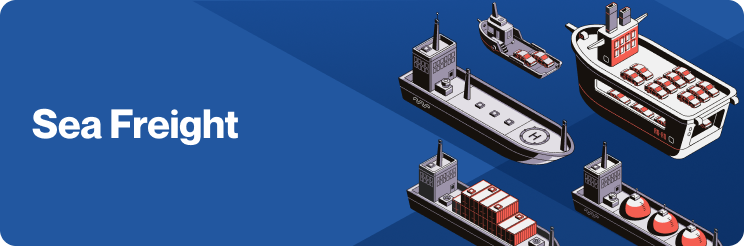
Sea freight from Thailand to Luxembourg
If you are planning sea freight from Thailand to Luxembourg, you should first ask yourself one simple question. Are you optimizing for cost or speed? On this route, ocean freight shipping between Thailand and Luxembourg makes sense when your cargo is heavy, bulky, or not time-sensitive. If you are moving full containers of industrial goods, consumer products, machinery, or regular replenishment stock, sea freight is usually the most economical option.
What you need to understand early is that Luxembourg is landlocked. Your container will arrive at a major European seaport first, then continue by truck, rail, or barge. That inland leg often surprises first-time importers. It impacts your total transit time, your budget, and your risk exposure. This is why container shipping Thailand to Luxembourg is never just port-to-port. It is a combined sea and inland operation.
Sea freight is not ideal if you need urgent replenishment, if your cargo value is very high relative to its volume, or if delays would disrupt production. The ocean shipping lead time is measured in weeks, not days. You also need to factor in documentation accuracy, customs clearance, and inland coordination. From experience, most issues on this route come from incorrect Incoterms, underestimated inland transport from port to Luxembourg, or unclear responsibility for destination charges.
If you approach it correctly, international sea cargo Thailand to Luxembourg is predictable and cost-efficient. If you approach it casually, small misunderstandings can quickly turn into storage fees and delays. The goal here is to make sure you are in the first category.
Which Incoterms should you use?
The first thing we always tell clients is this. Your Incoterm decides who controls the shipment, not just who pays for it. When arranging sea freight from Thailand to Luxembourg, you will usually see FOB Thailand export terms, CIF Luxembourg delivery terms, EXW, or DAP.
If you buy under FOB Laem Chabang or FOB Bangkok, your supplier handles export customs and local Thai charges, and you take control once the container is on board. For most importers, FOB gives you better visibility on the main freight and inland transport in Europe. You choose your freight forwarder for the Thailand to Luxembourg route, and you avoid inflated destination charges hidden in CIF offers.
CIF can look convenient because your supplier books the freight. But here is what many importers misunderstand. Under CIF, your supplier chooses the carrier and the forwarder. You only discover the real destination costs, such as port handling charges THC and customs clearance fees at destination, once the cargo arrives. That is where budgets drift.
With EXW vs DAP for international sea freight, the difference is about responsibility at origin and destination. EXW means you handle everything from your supplier’s door in Thailand, including export clearance. DAP Luxembourg means your seller delivers to your address, but you still handle import duties and VAT. If you want control, transparency, and predictable costs, FOB plus a trusted forwarder is often the balanced option on this route.
No matter the term, you must align the Incoterm with your Bill of Lading B/L instructions. Decide early if you need an original B/L, a telex release, or a sea waybill. A simple mismatch here can delay cargo release in Europe.
Main ports to know in Thailand and Luxembourg
For ocean freight shipping between Thailand and Luxembourg, you should focus on operationally relevant gateways, not every port on the map.
- Laem Chabang, Thailand’s main deep-sea port and the primary choice for FCL full container load shipping. You get the widest carrier selection and more direct services to Europe.
- Bangkok Port, closer to central Thailand factories, suitable for smaller volumes and LCL less than container load consolidation, but with draft limitations compared to Laem Chabang.
- Map Ta Phut, mainly used for industrial and petrochemical cargo, relevant if your supply chain is based in that zone.
On the Luxembourg side, remember there is no seaport.
- Port of Antwerp-Bruges in Belgium, one of the most common ports of discharge for cargo heading to Luxembourg, with strong rail and truck links.
- Port of Rotterdam in the Netherlands, offering frequent Asia-Europe services and efficient customs procedures.
- Port of Hamburg in Germany, sometimes used depending on carrier routing and inland strategy.
- Port of Mertert in Luxembourg, an inland river port used mainly for bulk and barge connections within Europe.
Your choice of port of origin vs port of discharge directly affects inland transport from port to Luxembourg. A slightly cheaper ocean rate to a distant port can become more expensive once trucking or rail is added. Always compare door-to-door sea freight service, not just port-to-port.
Transit times: How long does it take to ship from Thailand to Luxembourg?
Below you can see typical port-to-port transit time ranges for sea freight from Thailand to Luxembourg, including the main European gateway ports before inland delivery.
| Port of origin | European port of discharge | Estimated transit time |
|---|---|---|
| Laem Chabang | Antwerp | 28 to 35 days |
| Laem Chabang | Rotterdam | 27 to 34 days |
| Bangkok | Antwerp | 30 to 37 days |
| Laem Chabang | Hamburg | 29 to 36 days |
After arrival in Europe, you should add a few extra days for inland transport from the seaport to Luxembourg, depending on whether you use truck, rail, or barge. In total, your sea transit time Thailand to Luxembourg usually falls between 30 and 40 days door-to-door.
Here is how you should read these numbers. A direct service reduces uncertainty, but many sailings involve transshipment in Singapore or another hub. That adds handling time and increases the risk of schedule shifts. Port congestion in major European hubs can also extend the port-to-port transit time, especially during peak season or when carriers adjust capacity. So instead of focusing on the fastest theoretical routing, you should plan based on realistic buffers. This is what protects your supply chain.
Should I choose FCL or LCL when shipping between Thailand and Luxembourg?
Embarking on a sea shipping journey between Thailand and Luxembourg? Your choice between full container load (FCL) or less than container load (LCL), also known as consolidation, can make waves in your journey’s success.
Differences in cost, delivery times and the logistics involved can ebb and flow with this decision. Let’s dive into the specifics of FCL and LCL shipping, to ensure you anchor on the best choice for your business. Because in the world of international logistics, strategic choices bring smooth sailing.
Ready to chart your best course? Let’s uncover the right option together.
Full container load (FCL)
Definition: FCL, or Full Container Load, is when a container is used exclusively for a single shipment. It's the go-to option for large-volume shipping and ensures your shipment is sealed and untouched from Thailand to Luxembourg. When to Use: It's advantageous to use FCL shipping when your cargo exceeds the 13-15 CBM (Cubic Meter) mark. This way, you're maximizing the space and cost-effectiveness of your shipping. Example: Let's say you're a furniture retailer in Thailand, with large consignments ready for export to Luxembourg. Using an FCL container, whether a 20'ft or a 40'ft, means the entire shipment can be safely packed, sealed, and shipped in one container. Cost Implications: FCL shipping quote tends to be cheaper per unit for high-volume shipments compared to LCL (Less than Container Load). Despite the higher initial cost of the FCL container, dividing this cost by the large number of units could mean each unit’s shipping cost falls, making it more economical in the long run.
Less container load (LCL)
Definition: LCL (Less than Container Load) shipment is an affordable way to ship smaller volumes of freight. This option lets you share container space with other shippers, thus only paying for the portion of the container your goods occupy. When to Use: LCL shipping is an optimal choice when your shipment doesn't fill up a whole container, typically when the cargo is less than 13/14/15 CBM. Example: Think of a business that wants to ship 10 CBM of automotive parts from Thailand to Luxembourg. With LCL freight, they can efficiently send their shipment without waiting to fill a whole container, benefiting from regular departures and a flexible schedule. Cost Implications: LCL shipping is generally more cost-effective for smaller shipments. However, it's essential to consider that costs might slightly increase with each additional CBM due to shared handling costs. This method can significantly reduce your freight expense, especially in the case of low-volume shipments. While the overall lcl shipping quote might highly depend on the nature and size of the cargo, it usually provides excellent value for money, particularly when compared to other shipping methods.
Hassle-free shipping
Considering ocean freight between Thailand and Luxembourg? DocShipper is here to streamline the process. We give you access to a team of ocean freight experts who will guide you, whether it's about choosing consolidation or a full container. We'll assist based on cost, cargo size, and shipping speed. Make your cargo shipping smooth with us. Ready for a hassle-free experience? Get your free estimation today!
Shipping rates: how much does a sea freight shipment cost from Thailand to Luxembourg?
If you are budgeting sea freight rates Thailand to Luxembourg, you need indicative ranges for both LCL and FCL. Below are typical market planning estimates for port-to-port ocean freight, excluding inland transport and customs.
| Shipping mode | Typical cost range | Notes |
|---|---|---|
| LCL shipping cost per cubic meter | USD 80 to 150 per CBM | Based on standard general cargo, minimum volume often applies |
| 20ft container, FCL | USD 1,500 to 3,000 per container | Port-to-port ocean freight only |
| 40ft container, FCL | USD 2,500 to 4,500 per container | High cube may vary slightly |
So how much does ocean freight shipping between Thailand and Luxembourg really cost you? In practice, your total budget depends on container type, seasonality, carrier space, and inland delivery to Luxembourg. Ocean freight alone is rarely your final number. You must add origin charges, destination THC, customs clearance fees at destination, and inland trucking or rail. This is why a proper ocean freight quotation request should always be door-to-door if you want a realistic view.
How to estimate your sea freight cost before requesting a quote
If you want to understand how to estimate sea freight cost before contacting a forwarder, you need four elements ready. Your cargo volume in cubic meters, total weight, chosen Incoterm, and exact origin and destination addresses.
For LCL, the freight rate calculation for container shipping is usually based on chargeable volume. For example, if you ship 8 CBM of goods weighing 2,000 kg, you are charged on volume because 8 CBM is higher than the weight conversion. If the rate is USD 100 per CBM, your base ocean freight is about USD 800, before local charges.
For FCL full container load shipping, you pay a flat cost per container FCL. If a 20ft container costs USD 2,000 port-to-port, that is your base ocean freight whether you load 10 or 25 CBM. The logic becomes simple once you compare your total volume with container capacity.
Be careful with cheap-looking offers. A low ocean rate can hide high destination fees or limited free time at port. Always think in terms of total landed cost in Luxembourg, not just the headline freight number. If you share your packing list and commercial invoice details, we can provide a structured quote in less than 24 hours for this specific route.
Surcharges and hidden cost drivers to watch for
The costs that surprise you rarely appear in big letters on the first quote. They usually show up at destination.
First, destination charges. These include port handling charges THC, documentation fees, and customs clearance fees at destination. If you buy under CIF, you often discover these only once the container arrives. This is where many budgets slip.
Second, time-related charges. Demurrage, detention, and storage apply if you do not clear or return the container within the free time granted by the carrier. A simple delay in paperwork, a missing original Bill of Lading B/L, or a late payment can trigger several days of charges. These fees escalate quickly, especially in busy European ports.
Third, operational surcharges. You may see bunker adjustment factor BAF, peak season surcharge PSS, or congestion surcharges depending on market conditions. These are carrier-driven and fluctuate with fuel prices and capacity. They are not arbitrary, but they are often underestimated when planning.
If you anticipate these freight surcharges and additional charges early, you protect your margin and avoid last-minute surprises.
Step-by-step: how a sea freight shipment usually works on this route
When you look at sea freight process step by step, it seems straightforward on paper. In reality, this Thailand to Luxembourg route involves export formalities in Asia, ocean transport, European port handling, and inland delivery into a landlocked country. You need coordination at every stage, and most delays happen at handover points between parties.
- We confirm your booking, container type, and sailing schedule based on your cargo profile.
- Your supplier prepares the export packing list and commercial invoice for Thai export clearance.
- We arrange container pickup or delivery to port of origin and supervise loading if needed.
- The container is cleared for export and loaded on board at Laem Chabang or another Thai port.
- The carrier issues the Bill of Lading B/L, and you decide between original documents, telex release, or sea waybill.
- The vessel sails to the European port of discharge, sometimes via transshipment.
- Upon arrival, we coordinate customs clearance and pay applicable duties and VAT on your behalf if agreed.
- We arrange inland transport from the seaport to your address in Luxembourg.
- You receive the cargo, and we monitor container return to avoid detention charges.
At almost every step, timing matters. A small documentation error at origin or a delayed customs instruction in Europe can shift your delivery window by days. That is why working with a freight forwarder for Thailand to Luxembourg route who controls the full chain makes a difference.
Special sea freight solutions
Out of Gauge OOG cargo
If your machinery exceeds standard container dimensions, you will need an out of gauge OOG cargo solution. This usually involves open top or flat rack containers. It is common for industrial equipment, large steel structures, or construction components shipped as project cargo by sea.
Breakbulk shipping solution
If your cargo cannot fit into any container type, including dry container high cube reefer, you may consider a breakbulk shipping solution. Your goods are loaded directly onto the vessel, piece by piece. This is typical for turbines, oversized tanks, or heavy industrial modules.
Reefer container for temperature-controlled cargo
If you are exporting food products, pharmaceuticals, or any temperature-sensitive goods from Thailand, a reefer container for temperature-controlled cargo is essential. You define the temperature range, and we monitor settings throughout the journey to Europe.
Groupage service Thailand to Luxembourg
If you ship smaller volumes, LCL less than container load consolidation allows you to share container space with other importers. This groupage service Thailand to Luxembourg is cost-efficient for shipments under 10 to 12 CBM, but you should accept slightly longer handling times compared to FCL.
Whether you need standard FCL full container load shipping, specialized containers, or project cargo by sea, we structure the solution around your cargo, not the other way around. Share your specifications, and we will propose the most reliable configuration for this route.
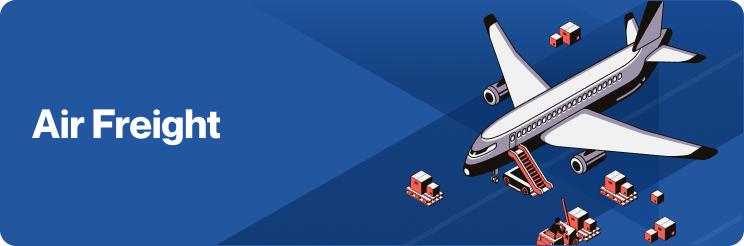
Air freight between Thailand and Luxembourg
If you need air freight from Thailand to Luxembourg for high value goods, urgent restocking, or time-sensitive production parts, air is often the right call. You gain speed and tighter control over timing, but you also deal with cut-off times, security screening, chargeable weight calculation, and airport handling charges that many first-time shippers underestimate.
Here’s what you should know upfront. It is not always “3 days door-to-door”, it is not always too expensive compared to lost sales, and the price is rarely based on real weight alone. On this route, the most common costly mistakes are wrong dimensions leading to higher chargeable weight, poor export documentation for air freight, and booking before confirming space availability during peak season.
Air Cargo vs Express Air Freight: How should I ship?
Choosing between air cargo vs express courier service on this route depends on your volume, your internal logistics capacity, and how much control you want. Think of standard air freight vs express delivery as two different operating models. One gives you flexibility and cost efficiency for larger B2B flows, the other gives you simplicity and speed for small urgent shipments.
Should I choose Air Cargo between Thailand and Luxembourg?
If you ship more than 1 CBM or over 100 to 150 kg, airport-to-airport air cargo or door-to-door air freight Thailand to Luxembourg usually makes more financial sense than express. This is especially true if you move regular B2B volumes, palletized cargo, temperature-controlled air cargo, or high value cargo by air that needs tailored handling.
Before you request an air cargo quote request, you should have your exact dimensions, gross weight, Incoterm, preferred airport, ready date, and product details ready. If your goods fall under dangerous goods by air DGR or include perishable goods air transport, you must flag this early or your booking air freight space can be refused.
The mistakes we see most often are confusing airport-to-airport air cargo with full door-to-door service, ignoring minimum charges, and missing airline cut-off times. You should also check if your rate includes fuel surcharge air freight, security surcharge air cargo, and airport handling charges at destination, otherwise your landed cost in Luxembourg will surprise you.
Should I choose Express Air Freight between Thailand and Luxembourg?
Express is logical if you ship small parcels under 1 CBM or below 100 to 150 kg, or if you need an urgent shipment by air without building a full logistics setup. If you do not have a team handling customs clearance for air shipments or export documentation for air freight, express can simplify the process significantly.
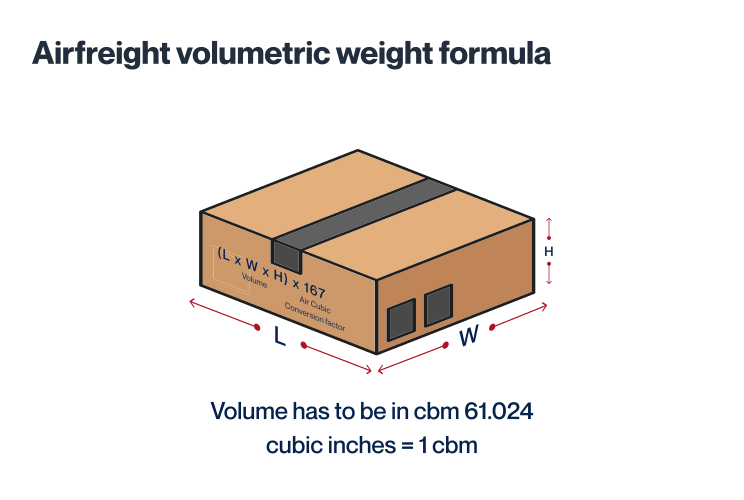
The trade-off is control. With express, you accept the carrier’s routing, billing adjustments after reweigh and remeasure, and less flexibility on Incoterms. Many shippers underestimate volumetric weight vs gross weight and only look at scale weight, which can double the invoice if the box is bulky.
Express is a good option if you value simplicity and speed over optimization. It becomes risky if your cargo is dense but large in size, if margins are tight, or if you assume that all duties and taxes in Luxembourg are automatically included without verifying the terms.
Main airports to know in Thailand and Luxembourg
- Suvarnabhumi Airport, Bangkok – The main cargo hub and one of the main cargo airports in Thailand for international air freight services. You get the widest airline capacity and better chances during peak season, but you should plan for potential congestion and earlier cut-offs.
- Don Mueang International Airport, Bangkok – Used more for regional and specific carriers. It can be relevant if your supplier is near Bangkok and space at Suvarnabhumi is tight.
- Luxembourg Findel Airport – The nearest international airport to Luxembourg for cargo and the country’s primary freight gateway. It is a strong European cargo hub with efficient customs, but you should still factor in final delivery time within the EU.
Your airport choice directly affects pre-carriage in Thailand, delivery costs in Luxembourg, and overall air shipping lead time. A cheaper air rate from one airport can be offset by longer inland trucking or limited flight frequency.
Transit times: how long does air freight take from Thailand to Luxembourg?
The air transit time Thailand to Luxembourg depends on routing and service level. Direct flight vs transshipment air cargo makes a real difference, especially during busy seasons.
| Service | Estimated airport-to-airport transit time |
|---|---|
| Standard air cargo | Approximately 2 to 5 days |
| Express courier service | Approximately 1 to 3 days |
These are airport-to-airport or hub-to-hub estimates, not full door-to-door timings. You should add export handling in Thailand, customs clearance for air shipments in Luxembourg, and final delivery. Delays usually come from missed cut-off times, additional security screening, or limited air cargo capacity and space availability during peak periods.
Shipping rates: how much does air freight cost from Thailand to Luxembourg?
Air freight rates Thailand to Luxembourg vary depending on weight, dimensions, season, and chosen airport. Below are indicative market ranges for guidance only.
| Service | Indicative rate range |
|---|---|
| Standard air cargo | Commonly quoted per kg, often in a broad range such as 3 to 10 USD per kg depending on chargeable weight and season |
| Express courier | Usually higher per kg than standard air freight, especially for low weight but high volume parcels |
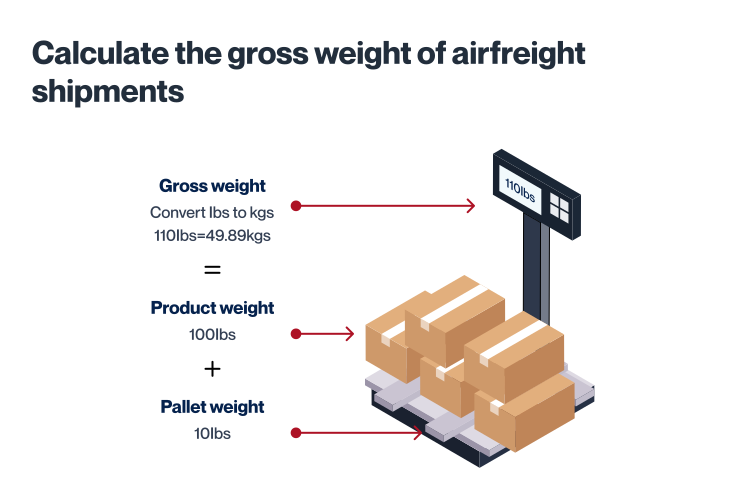
Your final cost is driven first by chargeable weight calculation, not just gross weight. Then come dimensions and packaging density, urgency and space availability, and finally origin and destination airport plus pre-carriage and last mile. If you want a reliable comparison, you should request a structured air cargo quote request with full shipment details instead of estimating from weight alone.
How much does it cost to ship a parcel between Thailand and Luxembourg with air freight?
The cost of air freight from Thailand to Luxembourg typically ranges from $3 – $10/kg, but exact pricing differs greatly. This variation is due to factors such as proximity to airport of departure and arrival, parcel dimensions, and weight and nature of goods. It’s critical to remember this estimate is a rough guide – at our freight forwarding company, we provide personalised quotes tailored to your specific shipping requirements. Rest assured, our team always strives to provide competitive rates created just for you. How about contacting us for a free, no obligation quote? We promise to respond within 24 hours.
Step-by-step: how an air shipment usually works on this route
If you have never handled the full air freight process step by step, it is more structured than it looks. From booking air freight space to final delivery in Luxembourg, each phase affects timing and cost. Here is how we typically manage air cargo shipping between Thailand and Luxembourg.
- You confirm shipment details, including dimensions, gross weight, product type, and Incoterm so we can secure space with the airline.
- We issue booking confirmation and coordinate cargo readiness with your supplier in Thailand, checking packaging and labeling.
- Your goods move to the airport warehouse, where security screening and export documentation for air freight are completed before cut-off.
- The airline issues a master air waybill MAWB, and if consolidation is used, we issue a house air waybill HAWB under our air freight consolidation service.
- The cargo flies to Luxembourg, either direct or via transshipment, depending on routing and capacity.
- On arrival, customs clearance for air shipments is processed, duties and VAT are settled if applicable, and airport handling charges are applied.
- We arrange final delivery or make the cargo available for pickup, with air freight tracking shared throughout the process.
The stages where delays usually happen are export documentation errors, late arrival at the warehouse before cut-off, and customs queries in Luxembourg. This is also where unexpected storage or amendment fees can increase your total cost.
Rail freight between Thailand and Luxembourg
All aboard! Prepare for a whirlwind journey through time and terrain, from Bangkok bazaars to Luxembourg landscapes. The Thailand-Luxembourg rail freight connection, established in the late 20th century, has since become a dynamic hub for exchanging goods throughout Asia and Europe, trundling through robust economies like India, Pakistan, Iran, and Turkey. From auto parts zipping through the Silk Road to garments swooshing across Asian plains, this route is synonymous with diversity and trade vibrancy.
Thanks to this rail link, Thailand and Luxembourg have forged solid economic ties. However, it’s no free lunch! Shipping via rail offers cost benefits at the expense of longer travel times compared to air transport. There’s also the labyrinth of customs procedures and potential shipping hurdles, requiring a keen understanding of international trade regulations. The versatility of rail freight might just fit your shipping puzzle. Dig deeper, and you may find that your track to success lies along this route.
What are the main train stations between Thailand and Luxembourg?
We’ll focus on two primary cargo train stations each in Thailand and Luxembourg that are part of an international rail network handling cargo trains.
Bangkok Freight Station, Thailand
Acting as the heart of the Thai rail cargo network, the Bangkok Freight Station handles the heaviest cargo volume in the country. It primarily services intra-Asia freight and has a strategic importance stemming from its location, as it acts as a gateway for your business, connecting to neighboring markets such as Laos, Cambodia, and Myanmar. The station is equipped with modern logistics infrastructure, guaranteeing the safety of your goods throughout transit.
Laem Chabang Port Railway Station, Thailand
Positioned on the East Coast of the Gulf of Thailand, Laem Chabang Station allows your business to take advantage of the busy sea freight route, linking your sea and land transportation needs smoothly. It’s vital for businesses focusing on import/export with countries across Asia and the Pacific due to its close proximity to Laem Chabang Port, Thailand’s biggest deep-sea port.
Bettembourg-Dudelange Intermodal Terminal, Luxembourg
This is one of Europe’s major rail freight terminals, making it a crucial hub if your shipping strategy includes Europe at large. Its strategic importance is underlined by the fact it’s connected directly to the Eurohub – Luxembourg’s primary logistics center. One of the terminal’s main advantages is its ability to handle a large volume of mixed cargo types, offering versatility to your business needs, and its direct connection to the Port of Trieste in Italy for maritime trade.
Differdange Cargo Terminal, Luxembourg
Tucked away in southwest Luxembourg, Differdange Cargo Terminal is an excellent option if you’re shipping steel or industrial goods. It’s particularly useful for businesses tied to manufacturing or heavy industry. It manages smaller cargo volumes compared to Bettembourg-Dudelange but compensates that with specialized services catered to specific industries.
How long does rail freight take between Thailand and Luxembourg?
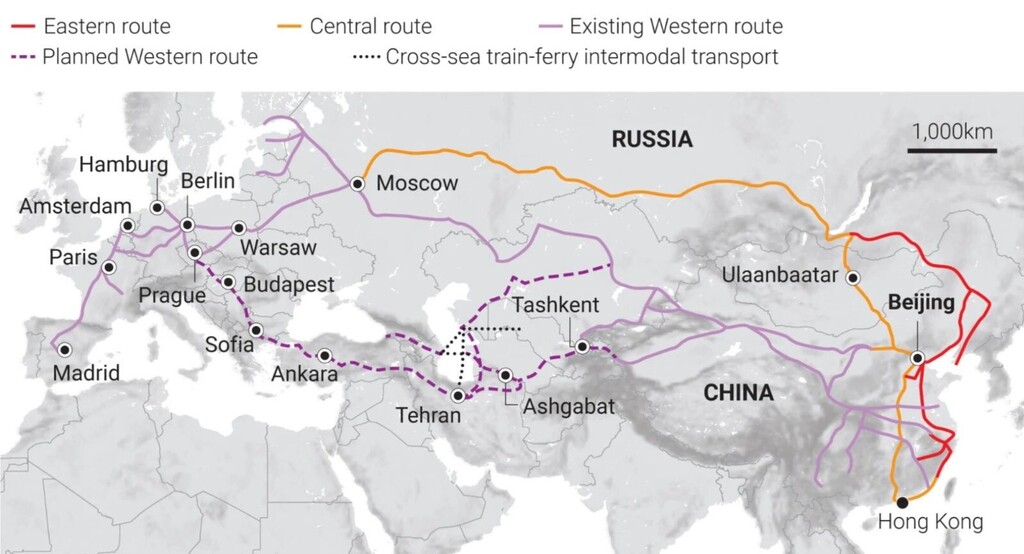
Transit times between Thailand and Luxembourg can vary greatly, depending on such factors as weather, route, and congestion. However, on average, rail freight shipment takes approximately 14-20 days. Now, let’s take a look at the rail networks between China and Europe, their transit times, and frequency of departures. Keep in mind, these figures serve as estimates—the unpredictable nature of transit makes exact timing a challenge.
What are the advantages of rail transport between Thailand and Luxembourg
Rail transport could be the perfect solution for your Thailand-Luxembourg shipments, striking a balance between speed and affordability. Compared to sea freight, shipping by rail trims weeks off your delivery time, helping you manage demanding timelines. It can be an ideal choice for transporting automotive parts or electronics that require faster transit times than sea shipments offer. Alternatively, if you’re grappling with budget constraints yet need relatively quick shipping, rail freight stands out above its pricier counterpart, air freight. For instance, imagine you’re exporting Thai silk; shipping by air could skyrocket your costs, reducing profit margins. By choosing rail instead, you can manage shipping costs while ensuring the timely delivery of your goods. Use rail transport to your advantage to ensure cost-effective, speedy delivery.How much does shipping goods by train between Thailand and Luxembourg cost?
Pinning down a precise cost for train freight between Thailand and Luxembourg is a bit like catching a cloud – it’s tricky due to ever-changing factors. But don’t stress! We take the complexity and roll it into the best rates for your specific needs. With us, you’re not just getting a quote, you’re receiving a tailored service, calculated on a case-by-case basis. Remember, cost should never be a surprise, but an assured part of your planning. So why wait? Let’s get you moving. Fire off a message and our team will whip up a free quote for you in less than 24 hours. Keep rolling!
Trucking between Thailand and Luxembourg
Venturing into the world of cross-border trucking services between Thailand and Luxembourg, let’s explore what this choice offers you in terms of transit times, routes, and costs. Road freight shines with its efficiency, enabling you to get goods to their destination faster via direct routes, despite some challenging road conditions. Importantly, it can prove more cost-friendly compared to other methods in certain cases. However, it’s crucial to weigh out challenges such as border clearances and the extra time required. Mastery of this complex yet intriguing freight option can open new avenues towards maximized business potential!
What if I can’t fill a truck between Thailand and Luxembourg?
Understanding the nuances between Less Than Truckload (LTL) and Full Truckload (FTL) freight types isn’t just essential; it’s a game-changer. It’s the key to unlock cost-effective, flexible shipping from Thailand to Luxembourg. This knowledge could be the vital cogs to your business’s well-oiled logistics machinery. So let’s dive in!
What are the main routes between Thailand and Luxembourg?
When it comes to shipping goods over the road between Thailand and Luxembourg, the journey is quite a complex tapestry of highways and significant transit points. After leaving Thailand, the cargo normally passes through Laos and China, embracing the breathtaking views of Asian landscapes. From China, the route stretches through Russia, where the sheer length of the Trans-Siberian highway comes into play. Next, the convoy enters Europe via Belarus, Poland, and Germany before finally reaching Luxembourg. Various factors can influence these routes, including weather conditions, traffic regulations, and border controls. Always being vigilant about these challenges ensures your consignment arrives safely and in a timely manner.
What are the road transit times between Thailand and Luxembourg?
The average journey time for road transport from Thailand to Luxembourg spans about 15 days. However, as an international freight forwarder, we acknowledge that this timing can fluctuate due to unpredictable traffic flow, variations in circulation patterns, and in some instances, low-quality roads like those sometimes found in border areas of Eurasia. Bear in mind though, these are only estimates – you can reach out to us for a precise cross-border freight quote in under 24 hours.
How much does trucking cost between Thailand and Luxembourg?
Deciphering the exact cost of truck shipping between Thailand and Luxembourg isn’t as easy as ordering pad thai! It’s like a jigsaw puzzle where the pieces are: the nature of your goods, the volume, the weight, even the season. Don’t fret! Our squad is at your service to help jam all these factors into a competitive rate, handcrafted just for your business. Like your local barista, but for freight—not coffee! All our quotes are painstakingly brewed case-by-case. Got it? Let’s get trucking!
Door to door between Thailand and Luxembourg
Navigating the world of international shipping can be complex, but Door to Door service simplifies the process. Imagine your goods safely transported from the heart of Thailand right on the doorstep in Luxembourg – no fuss, no stress. Highlighting convenience, efficiency, and comprehensive handling of logistics, this solution shines in several ways. Excited to learn more about this smart shipping method? Let’s dive in!
Overview – Door to Door
Shipping from Thailand to Luxembourg? That’s a huge logistical challenge. Enter door-to-door shipping, a stress-free solution that DocShipper clients prefer. It includes everything from picking up your goods, handling all customs procedures, to the final delivery in the destination country. Sure, it may be costly compared to other options, but the convenience and peace of mind it offers are priceless. Imagine skipping the complex paperwork and transport arrangements – that’s door-to-door for you. But remember, like everything else, it has its challenges too. Stay tuned as we unpack the pros, cons, and everything in between. Let’s get your goods on the move!Why should I use a Door to Door service between Thailand and Luxembourg?
Right off the bat, who wants to be a straight-up shipping Sherlock, right? Listen up! Here’s the low-down on why you might want to go for a Door to Door service for shipping goods between Thailand and Luxembourg:
1. Say goodbye to stress: From picking up your goods at the original location in Thailand to seeing them safely delivered at your desired spot in Luxembourg, Door to Door service handles it all. No more flipping through logistics handbooks!
2. Timely delivery: Urgent shipments? No worries. With a clear understanding of the fastest routes and reliable transport systems, this service ensures your time-specific consignments reach their destination on the dot.
3. Special care for complex cargo: Have something tricky to transport? Door to Door services are versed in handling specialized or complex cargo, giving that extra layer of protection and attention that your valuable freight deserves.
4. Convenience at its best: When you choose Door to Door service, it takes care of the trucking – both at the origin and at the destination. It’s like having a personal goods transport concierge!
5. Predictability: With a Door to Door service, things are transparent. You get a single invoice covering every leg of the journey, and there are no hidden customs tariffs lurking in the footnotes that will surprise you down the line.
So buckle up, and let the Door to Door service take the wheel on this logistics ride!
DocShipper – Door to Door specialist between Thailand and Luxembourg
Experience hassle-free, full-service shipping from Thailand to Luxembourg with DocShipper. We take care of everything from packing to customs clearance across all transportation modes.
DocShipper – Door to Door specialist between Thailand and Luxembourg
Experience hassle-free, full-service shipping from Thailand to Luxembourg with DocShipper. We take care of everything from packing to customs clearance across all transportation modes.
Customs clearance in Luxembourg for goods imported from Thailand
When you handle customs clearance in Luxembourg for goods from Thailand, you are not just ticking a box. You are locking in your final landed cost, determining how fast your cargo gets released, and confirming who is legally liable as Importer of Record. If you want, we can coordinate the entire import customs process in Luxembourg on your behalf, from document review to customs release notification.
On this route, you will typically see delays caused by wrong HS code classification, undervalued invoices, or missing proof of origin. You will also notice that small documentation gaps can trigger inspections and storage fees very quickly. Let us walk you through how to calculate duties properly and how customs clearance step by step really works in Luxembourg.
How to calculate duties & taxes when importing from Thailand to Luxembourg?
To calculate how to calculate import duties Thailand to Luxembourg, you need four core inputs: the country of origin determination, the correct HS code classification, the customs value calculation method, and the applicable import tariff Luxembourg applies. You will also need to know who acts as Importer of Record and under which Incoterm you are shipping.
You will quickly see that the estimate your supplier gives you often differs from what customs actually assesses. That gap usually comes from wrong CIF value for customs purposes, missing customs valuation adjustments, or ignoring VAT on imports in Luxembourg. If you want reliable numbers, you must base them on the official tariff database and complete documentation, not on a rough freight quote.
Step 0 – Quick checks before you calculate
- Confirm who is the Importer of Record in Luxembourg and whether you have an active EORI number registration.
- Check the Incoterm to know who controls the import customs process Luxembourg and who files the customs declaration form.
- Verify whether your shipment qualifies for a low-value or simplified clearance path, or if a standard Single Administrative Document SAD is required.
Step 1 – Identify the Country of Origin
You need to distinguish clearly between where your goods are shipped from and their country of origin determination. Customs in Luxembourg care about where the product was manufactured or sufficiently transformed, not where it was loaded on the vessel.
Your origin affects the import tariff outcome, your eligibility for preferential origin vs non-preferential origin treatment, and whether you must provide a certificate of origin. If your origin claim is inconsistent with your invoice or production records, you risk a customs challenge and a post-clearance audit preparation request.
The common mistake you should avoid is confusing shipping country with manufacturing origin. That single error can change your duty rate completely.
Step 2 – Find the HS Code of your product
Your HS code classification determines your duty rate, possible import license requirements, and whether your goods fall under restricted and prohibited goods controls. If the code is wrong, everything that follows, tariff, VAT, compliance, is wrong too.
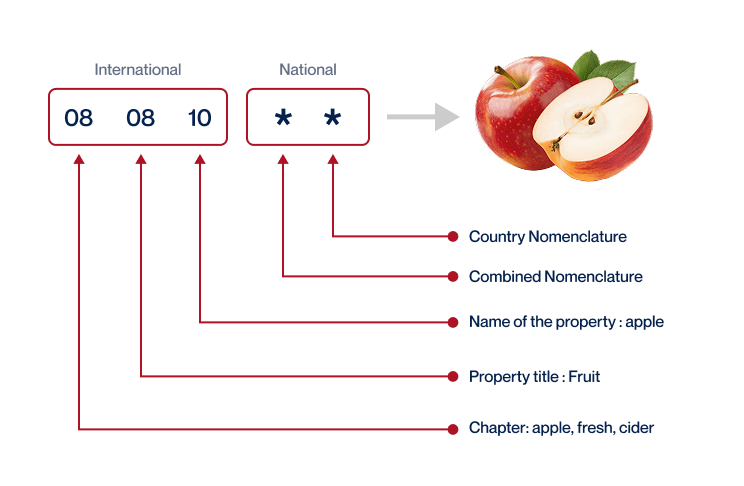
The first thing we always tell you is this: start with your product’s technical characteristics. Look at composition, function, and level of processing. Then perform a harmonized system code lookup using an official database such as the EU TARIC database. Cross-check the description notes, not just the title of the heading.
If you rely only on your supplier’s old code without verifying it, you expose yourself to reclassification, retroactive duties, and delays during the customs inspection procedure. Here’s an infographic showing you how to read an HS code.
Step 3 – Calculate the Customs Value
Luxembourg customs generally base duties on the CIF value for customs purposes, meaning cost of goods plus international freight plus insurance up to the EU entry point. That is your starting point, not just the invoice price.
You must then review possible customs valuation adjustments. For example, if you ship under FOB Bangkok, you will need to add main freight and insurance to reach the customs value. If you supplied molds free of charge to your Thai manufacturer, or you pay royalties linked to the goods, those elements may need to be added as well.
Example: if your goods cost 20,000, freight is 2,000, and insurance is 200, your customs value becomes 22,200 before applying any duty rate. If you miss one component, you underdeclare, and that is where problems start.
Step 4 – Figure out the applicable Import Tariff in Luxembourg
An import tariff Luxembourg applies is the customs duty rate assigned to your HS code when goods enter the EU from a non-EU country like Thailand.
Here is the practical method you should follow:
- Open the official EU TARIC tool.
- Enter your full HS code and select Thailand as country of origin.
- Read the duty rate and check for additional measures.
When you review the result, look for:
- Ad valorem duty percentage.
- Any additional duties or trade defence measures.
- Specific conditions such as required certificates.
- Suspensions or tariff quotas if applicable.
If your customs value is 22,200 and the duty rate is 8%, your customs duty would be 1,776. That amount then feeds into your VAT base.
On this route, you should pay close attention to product-specific measures, especially for textiles, electronics, or regulated consumer goods. If you want, we can double-check your classification and tariff reading before you file.
Step 5 – Consider other Import Duties and Taxes in Luxembourg
Beyond customs duties and import taxes, you must account for VAT on imports in Luxembourg. VAT is calculated on a base that usually includes customs value plus customs duty and certain additional costs up to the first place of destination.
Using the previous example, if your customs value is 22,200 and duty is 1,776, your VAT base becomes 23,976. You then apply the Luxembourg VAT rate to that total. This is why VAT often represents a significant cash flow impact at import.
You should also check for other measures such as excise duties for alcohol or tobacco, anti-dumping duties, or specific import license requirements for sensitive goods. Some products may require conformity documentation or fall under restricted and prohibited goods controls.
- Confirm whether your product needs an import license before shipment.
- Verify if additional certificates are required for customs compliance for international trade.
- Review whether special procedures like temporary import procedure or inward processing procedure would reduce your duty exposure.
- Prepare a clear import documentation checklist before cargo arrival.
Step 6 – Calculate the Customs Duties
The core formulas you will use are simple:
Customs duty = customs value × duty rate
VAT = VAT base × VAT rate
Example: if your customs value is 22,200 and duty rate is 8%, your duty is 1,776. If your VAT base is 23,976 and you apply the Luxembourg VAT rate, that gives you the VAT amount payable at import.
What happens next depends on who acts as declarant. If you appoint a customs broker in Luxembourg under direct representation customs or indirect representation customs, the duties are usually paid before or at release. Customs will issue a customs release notification once payment or guarantee is validated. If documents are inconsistent, you may face inspection, storage, and additional handling costs, which is where timing and accuracy really matter.
Does DocShipper charge customs fees?
Distinguishing between customs clearance fees and customs duties is crucial. As an established customs broker in Thailand and Luxembourg, DocShipper charges for customs clearance services but not for customs duties. These duties, which are taxes imposed by the government, get paid directly to them. We’ll hand over all the official documents generated by the customs office so you’re only covering what’s mandated. Imagine clearing a package through customs yourself, and the duties you’d pay to the government – this forms the difference. Feel confident knowing you’re paying for a tailored service, dealing with regulations and paperwork on your behalf, freeing up your valuable time.Contact Details for Customs Authorities
Thailand Customs

Official name: Customs Department of the Kingdom of Thailand
Official website: www.customs.go.th
Luxembourg Customs
Official name: Customs and Excise Administration of Luxembourg
Official website: www.do.etat.lu
Required documents for customs clearance in Luxembourg
When you import from Thailand into Luxembourg, you are clearing goods into the European Union customs territory. That means your documents must match perfectly across every line, shipper, consignee, value, and product description. From experience, most customs delays come from inconsistencies between documents, not from the border itself. The first thing we always tell you is simple, make sure every document tells the exact same story.
Commercial Invoice
The commercial invoice is the official document issued by your Thai supplier that states what you bought and how much you paid.
Luxembourg customs use it to determine the customs value, calculate duties and VAT, and verify the nature of the goods.
Example: 5,000 stainless steel fittings, HS code declared, unit price and total FOB Bangkok value clearly indicated.
Common mistake: Your invoice description is too vague, such as “metal parts,” which can trigger classification checks and delays.
Packing List
The packing list details how your goods are physically packed, including number of cartons, pallets, weights, and dimensions.
Customs and your broker use it to cross-check quantities and to plan inspections if needed.
Example: 10 pallets, each containing 50 cartons, gross weight and net weight clearly separated.
Common mistake: The quantities on the packing list do not match the commercial invoice, even by a small margin.
Bill of Lading or Air Waybill
This is the transport document issued by the carrier as proof that the goods were shipped from Thailand to Luxembourg.
Customs use it to confirm shipment details, route, and consignee information.
Example: Ocean Bill of Lading showing Port of Laem Chabang to Port of Antwerp, then on-carriage to Luxembourg.
Common mistake: The consignee name differs slightly from the one on the invoice, which can block release until corrected.
Import Declaration (Single Administrative Document)
This is the formal customs declaration submitted electronically in Luxembourg through an authorized broker or representative.
It contains the HS code, customs value, origin, and applicable duty and VAT calculation.
Example: Your broker declares HS code, customs regime for free circulation, and attaches supporting documents.
Common mistake: Using the wrong HS code, which can lead to reassessment of duties or post-clearance audits.
Certificate of Origin
The certificate of origin confirms that your goods originate in Thailand.
Customs require it to determine the correct tariff treatment and to verify trade policy measures.
Example: Certificate issued by a Thai chamber of commerce stating Thai origin for processed food products.
Common mistake: Assuming origin is obvious and not providing proof when requested, which can suspend preferential or correct tariff treatment.
Product Compliance and CE Documentation
For many products, you must prove they comply with EU technical and safety standards before they can circulate in Luxembourg.
Customs may request declarations of conformity, test reports, or CE marking documentation depending on the product category.
Example: CE Declaration of Conformity for electronic equipment shipped from Thailand.
Common mistake: Shipping regulated goods without complete compliance files, which can result in goods being blocked at customs pending verification.
Step-by-step: how customs clearance usually works on this route
When you manage exporting from Thailand to Luxembourg documentation properly, clearance becomes predictable. When you do not, this is where you lose time and money. The exact operational sequence can vary depending on the airport or port of entry, the Incoterm, and whether you ship air or sea, but the logic stays consistent.
- You prepare your import documentation checklist before departure, including commercial invoice requirements for customs, packing list for customs clearance, freight documents for customs filing, and certificate of origin if applicable.
- You ensure the Luxembourg importer has a valid EORI number registration and has appointed a customs broker in Luxembourg if needed.
- You or your representative submit a pre-arrival customs declaration through the EU system, typically using the Single Administrative Document SAD format.
- Customs perform a risk analysis, this is one of the real moments of truth where HS code errors or value inconsistencies trigger a customs inspection procedure.
- If selected, your shipment undergoes documentary or physical inspection at the port, airport, or bonded warehouse storage facility.
- You pay or guarantee the assessed customs duties and import taxes.
- Customs issue the customs release notification, allowing the goods to move to final delivery.
- You keep all records for potential post-clearance audit preparation, since Luxembourg customs can review declarations months after release.
If you plan ahead, you can also explore special regimes like temporary import procedure or inward processing procedure to suspend or reduce duties. From experience, delays on this route usually come from incomplete documentation or valuation doubts, not from the transport itself.
Packing List
Your packing list for customs clearance must match your commercial invoice and freight documents exactly. You should clearly state number of packages, gross and net weight, dimensions, and packaging type.
If you ship mixed products under different HS codes, you should separate them clearly. During a customs inspection procedure, officers will compare physical cargo with this list. Any mismatch can delay your customs release notification and increase storage costs.
Commercial Invoice
Your commercial invoice requirements for customs in Luxembourg are strict. You must include full seller and buyer details, EORI numbers where applicable, precise product descriptions, HS codes, unit prices, total value, currency, and agreed Incoterm.
You should ensure the values declared support your customs value calculation method. If your invoice omits assists, royalties, or transport elements required for CIF value for customs purposes, customs may adjust your declared value and reassess duties.
Certificate of Origin
The certificate of origin supports your country of origin determination and may allow preferential origin vs non-preferential origin treatment if an agreement applies. Without it, you will normally be assessed under the standard third-country duty rate.
You should ensure the origin stated on the certificate matches your invoice and production records. Inconsistent origin claims are a frequent trigger for document requests and post-clearance audit preparation.
Certificate of Conformity (CE standard)
If your product falls under EU harmonized legislation, you must ensure CE conformity before import. Luxembourg customs can block release if mandatory compliance documentation is missing.
You should verify early whether your goods require testing, technical files, or declarations of conformity. This is especially important for electronics, machinery, toys, and certain consumer goods entering the EU market.
Your EORI number (Economic Operator Registration Identification)
Your EORI number registration is mandatory if you act as Importer of Record in Luxembourg. Without it, you cannot lodge a valid customs declaration form.
You should apply before shipment departure, not when the cargo is already at the border. In practice, missing EORI details are one of the most common administrative causes of delay in the import customs process Luxembourg.
Get Started with Siam Shipping
Prohibited and Restricted items when importing into Luxembourg
You should always verify restricted and prohibited goods rules before exporting from Thailand to Luxembourg documentation is finalized. Items such as weapons, certain chemicals, counterfeit goods, and protected wildlife products are strictly controlled or banned. Other categories may require prior authorization or import license requirements. If you are unsure, you should confirm classification and licensing obligations before shipment. A mistake here does not just delay your cargo, it can lead to seizure and fines.Prohibited and restricted items when importing into Luxembourg
When you import into Luxembourg, you follow EU-wide rules. Here is the key difference you need to understand. Restricted products are allowed, but only if you meet specific conditions such as licenses, health certificates, or compliance tests. Prohibited products should not enter at all, and you can expect seizure, return, or fines if you attempt to ship them.
Restricted products
- Food and agricultural products, require sanitary or phytosanitary certificates.
- Animal products, veterinary checks and approved border inspection points.
- Electronics and machinery, must comply with EU safety and CE standards.
- Chemicals, subject to EU REACH registration and safety data requirements.
- Medical devices, need EU conformity assessment and proper labeling.
- Textiles and consumer goods, must meet EU labeling and safety rules.
- Dual-use goods, may require export or import authorization.
Prohibited products
- Counterfeit goods, seized under EU intellectual property enforcement rules.
- Illicit drugs and narcotics, strictly banned except authorized medical use.
- Endangered species products, prohibited under CITES without permits.
- Weapons and certain firearms, banned without specific government authorization.
- Hazardous waste, restricted under international waste shipment rules.
If you are unsure about your product category, you should verify classification and regulatory status before shipping. We always recommend checking compliance at origin in Thailand rather than trying to fix the issue once the goods arrive in Luxembourg.
Trade agreements and preferential duties for imports from Thailand to Luxembourg
Since Luxembourg is an EU Member State, you apply the EU Common External Tariff when you import goods from Thailand. As of 2025 to 2026, there is no free trade agreement in force between Thailand and the European Union. Negotiations have resumed in recent years, but you should not expect automatic duty reductions at this stage.
Thailand is no longer a beneficiary of the EU Generalised Scheme of Preferences for most products, which means you generally pay the standard Most Favoured Nation duty rate applicable to your HS code. The exact duty depends entirely on the product classification, so your HS code accuracy becomes critical.
You should also check whether your product is subject to EU trade defense measures such as anti-dumping duties. These apply to specific categories and can significantly increase landed cost if relevant. Before you confirm your purchase order in Thailand, you should calculate total landed cost including customs duty and Luxembourg VAT based on the correct HS code.
In terms of trade volume, exchanges between Thailand and Luxembourg remain modest but stable. In 2022, trade between the two countries reached 23.7 million USD, reflecting ongoing commercial links in manufacturing, finance, and industrial goods. You should treat this route as fully operational under standard EU rules, without preferential treatment, unless a future EU-Thailand agreement changes the framework.
Your first steps with Siam Shipping
If you want clarity on how long does customs clearance take in Luxembourg for your specific product, the answer always depends on classification accuracy, documentation quality, and inspection risk. We can review your HS code, customs value structure, and full import documentation checklist before your goods even depart Thailand.
Whether you need support with direct representation customs, indirect representation customs, bonded warehouse storage, or full customs compliance for international trade, we coordinate the process end to end. Share your product details and we will help you move forward with a clear cost and risk picture.
Additional logistics services
Warehousing
Facing challenges in finding secure warehousing solutions between Thailand and Luxembourg? Conditions like temperature control, crucial for a number of goods, can add up to the headache. Just imagine if you had a single-click solution for all these hassles. Visit our dedicated Page: Warehousing
Packing
Stressing over safe shipping from Thailand to Luxembourg? The key lies in precise packaging and repackaging. Be it delicate ceramics or sturdy machinery, working with a reliable agent can eliminate potential damage risks. For instance, our service ensures each product is suitably packed, resisting all travel stresses. Uncover more techniques and possibilities on our dedicated page: Freight packaging
Transport Insurance
Shipping cargo from A to B? Transport insurance can be a lifesaver, unlike fire insurance which just kicks in after damage. It's about prevention, shielding your finances from hiccups like lost cargo or damaged goods. Picture this – your luxurious Thai silk cargo damaged mid-transit! Without proper coverage, you'd bear all losses. Don't take the risk, ensure peace of mind with our cargo insurance. More info on our dedicated page: Cargo Insurance
Household goods shipping
Moving precious belongings from Thailand to Luxembourg? Trust us to handle your fragile or bulky items with utmost care and flexibility. Remember the 200-year-old grand piano your grandmother cherished? Our experts make sure it arrives safely in your new Luxembourg home. For in-depth details, please check out our dedicated page: Shipping Personal Belongings.
Procurement in Thailand
Looking to manufacture in Asia or East Europe? Say goodbye to tricky language barriers and complex procurement processes. With DocShipper's Supplier Management service, we handle sourcing reliable suppliers for you, guiding you step-by-step to ensure your business thrives overseas. Imagine the benefit - seamless sourcing and procurement without the stress. Find out how we make it happen on our dedicated page: Sourcing Services.

Quality Control
Ensuring your products match expectations while traveling from Thailand to Luxembourg is crucial. Regular quality checks can prevent unnecessary costs and delays. For instance, we've seen customers save thousands of dollars with effective quality control steps on customized metal parts, detecting defects before shipping. Keep uncertainties at bay with us. More info on our dedicated page: Quality Inspection
Conformité des produits aux normes
Adhering to product regulations is essential for smooth customs clearance. Our Product Compliance Services include labs testing to certify goods for destination countries. We ensure all items meet the international standards, reducing potential hiccups on arrival. See real cases and how we've aided businesses like yours on our dedicated page: Product compliance services.
