Freight shipping between Thailand and Australia | Rates -Transit time – Duties & taxes
Costs on this lane are rarely driven by distance alone, they’re driven by port choice, seasonal capacity, and how well you prepare your paperwork before departure. If you’re planning shipping between Thailand and Australia, you should know that small decisions in Bangkok or Laem Chabang can directly impact clearance times in Sydney or Melbourne.
This guide gives you the operational facts, from freight rates and transit times to duties and taxes, so you can plan your imports from Thailand to Australia without unpleasant surprises.
Info SIAM:
Whether you’re managing large volumes or arranging your first shipment, we handle your freight from pickup in Thailand to final delivery in Australia, including documentation, customs, and coordination with carriers. You tell us your constraints, budget, timing, cargo type, and we build the solution around it while helping you reduce unnecessary logistics costs. Contact us and let’s review your project together.
Docshipper Note:
Besoin d'aide pour votre expédition ? N'hésitez pas à nous contacter, même pour une simple question. Choisissez l'option qui vous convient.
Chat en direct avec un expert Discutez-nous sur WhatsApp Remplissez le formulaire
Sea freight between Thailand and Australia
Overview – Ocean cargo from Thailand to Australia
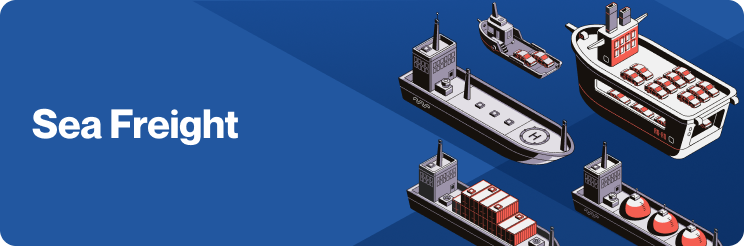
Sea Freight
For those who are planning to relocate a considerable amount of goods, sea freight is a great option for you. Sea importation allows you to ship bigger and heavier packages from Thailand.
And it’s pretty convenient too. Australia has a number of large seaports where shipping for home relocation can be accommodated. Brisbane, Fremantle, Melbourne and Sydney are among the biggest ports in the country.
Sea Freight Calculator lists the cost of renting a full container from Thailand to Australia as:
- 20 ft container – $1,300 USD
- 40 ft container – $1,700 USD
Renting a portion of these container sizes will run you between $150 and $250 AUD per cubic meter or 1,000 kgs whichever is the higher amount.
Remember that these are just the shipping costs. Once your goods arrive to Australia, you will incur further fees on storage, moving, insurance, duties and others.
Here are transit times between the two countries:
| From | To | Estimated transit time |
|---|---|---|
| Bangkok | Adelaide | Up to 24 days |
| Bangkok | Brisbane | Up to 21 days |
| Bangkok | Darwin | Up to 26 days |
| Bangkok | Fremantle | Up to 16 days |
| Bangkok | Melbourne | Up to 23 days |
| Bangkok | Sydney | Up to 25 days |
*Please note that those transit times are just indicative timing between Thailand and Australia
Main ports
Brisbane
The port of Brisbane is Queensland’s largest cargo port. The Port of Brisbane plays a key role for us, as a Thai-based freight forwarder, because of its proximity to the Asia Pacific Region. South-Asian countries have become Australian’s biggest trading partners over the years.
Fremantle
Fremantle Harbour is located in the Western part of the country. This port is the largest and busiest in this region, handling huge volumes of all kinds of products. Its geographic situation, being located within the Perth Metropolitan Region, makes it one of the key hubs of the country.
Obviously, we also ship to the other largest ports of the country, to ensure a maximum flexibility to our customers. Here are some other examples of cargo ports we are used to ship to, on a daily or weekly basis: Melbourne, Sydney, Townsville, Port Hedland, Dampier, Gladstone, etc.
Sea freight rates
If you need quick deliveries from Thailand to Australia, ocean freight is not the best option to be considered. Sea freight is the best option for companies and individuals who are not in a hurry, and who aim at saving some money on the shipping process.
In fact, sea freight comes with two main benefits: you can ship high volumes, at the best price. This can be particularly interesting for regular traffic with high volumes between both countries.
Should I choose FCL or LCL when shipping between Thailand and Australia?
Choosing between Full Container Load and Less than Container Load is one of the most consequential decisions you’ll make on this route. The Thailand–Australia corridor is one of Southeast Asia’s busiest sea lanes, with regular consolidation sailings and direct FCL services from Laem Chabang to every major Australian port. Here’s how to think through the choice.
Full container load (FCL)
Definition: FCL Shipping, or Full Container Load, means you have enough goods to fill a whole container by yourself. Using a 20'ft or 40'ft FCL container, you get private space that exclusively carries your items from Thailand to Turkey. When to Use: FCL shipping is a cost-effective and safe option when your cargo exceeds 13 to 15 CBM, as you pay for space rather than each individual item. The safety of FCL comes from your container being sealed at origin and opened only at its destination. Example: Consider a Thai manufacturer exporting 16 CBM of products to a Turkish retailer. Using FCL, their goods are sealed in a container, reducing the risk of damage from moving or mixing with other items. It gives them greater control over their shipment. Cost Implications: While FCL may appear more expensive upfront due to the cost of an entire container, it proves cheaper for large volumes. The storage cost for a full container is less than individual storage costs for the same volume of goods. Getting an accurate FCL shipping quote enables better budgeting and cost management in your logistics.
Less container load (LCL)
Definition: LCL shipment or 'Less than Container Load' shipping, is an option where your cargo shares space with others' in the same container. When to Use: LCL freight can be an excellent choice if you're shipping low-volume cargo between Thailand and Turkey. It's exceptionally optimal when your cargo amounts to less than 13/14/15 cubic meters (CBM). This option often provides much-needed flexibility and cost savings compared to booking a full container. Example: For instance, if a Thai jewellery manufacturer has to ship only 8 CBM of products to an outlet store in Turkey, opting for an LCL shipment will save money as they pay only for the space they use. Cost Implications: Precisely, LCL freight means only paying for the portion of the container your goods occupy, which directly results in a lower cost than booking an entire container. However, the overall price per CBM can be higher in LCL compared to FCL (Full Container Load), so it's most beneficial for less-voluminous cargo.
Info SIAM:
DocShipper is an international freight forwarder that organizes the transportation of your goods from the supplier’s warehouse to the final destination. Relax, because we take care of everything: from packing, to organizing the transport, to customs clearance and administrative procedures, regardless of the shipping method (air, sea, road, rail).
Contact us to receive a free estimate in less than 24 hours. You have a question ? Call our consultants for free.
Special transportation services
Out of Gauge (OOG) Container
Definition: An OOG container is designed for cargo that exceeds the dimensions of a standard shipping container — whether in length, width, or height. Open-top or flat-rack configurations allow oversized loads to be secured and transported safely.
Suitable for: Heavy machinery, industrial equipment, large infrastructure components, construction vehicles.
Examples: Shipping a Thai-manufactured excavator or a large industrial generator to a mining site in Western Australia.
Why it might be the best choice for you: If your goods simply won’t fit in a standard 20’ft or 40’ft container, OOG solutions provide the flexibility and structural support needed for safe long-haul ocean transit.
Break Bulk
Definition: Break bulk refers to cargo that is loaded piece by piece directly onto the vessel, rather than packed into a container. It’s the method of choice for goods that are too large or awkward for any container configuration.
Suitable for: Timber, steel structures, pipes, construction materials, oversized project cargo.
Examples: Transporting steel beams for an infrastructure project in Sydney, or large-diameter pipes for Australian resource extraction operations.
Why it might be the best choice for you: Break bulk offers maximum flexibility for cargo that cannot be containerized, with stevedoring teams handling each piece individually under controlled conditions.
Dry Bulk
Definition: Dry bulk shipping transports large quantities of loose, unpackaged commodities poured directly into a vessel’s hold.
Suitable for: Agricultural products, minerals, construction materials, raw commodities.
Examples: Shipping bulk orders of Thai rice, tapioca starch, or rubber granules to Australian food processors or industrial buyers.
Why it might be the best choice for you: For high-volume commodity shipments where individual packaging isn’t practical or cost-effective, dry bulk is the most efficient and economical method available.
Roll-on/Roll-off (Ro-Ro)
Definition: Ro-Ro shipping is designed for wheeled cargo — vehicles and machinery are driven or rolled directly onto a specially designed vessel, then secured for transit.
Suitable for: Cars, trucks, buses, agricultural machinery, construction equipment.
Examples: Exporting Thai-assembled vehicles to Australian dealerships, or transporting large tractors and farming equipment.
Why it might be the best choice for you: Ro-Ro eliminates the need for cranes and container-loading operations, making it the safest and most efficient method for wheeled and self-propelled equipment.
Reefer Containers
Definition: Reefer containers are refrigerated shipping units that maintain a constant, controlled temperature throughout the entire voyage, regardless of external conditions.
Suitable for: Fresh produce, frozen seafood, dairy products, pharmaceuticals, temperature-sensitive goods.
Examples: Shipping Thai frozen prawns or fresh tropical fruits to Australian supermarket chains; transporting pharmaceutical products requiring strict temperature compliance.
Why it might be the best choice for you: Australia has strict biosecurity and food safety standards. Reefer containers ensure your perishable goods arrive in compliance with Australian Border Force requirements and in perfect condition for the end consumer.
Air freight between Thailand et Australia
Air Freight
Air freight is the ideal option for shipping a small volume of goods. For instance, if your parcel is not over 3 cubic meters and less than 200 kgs, air freight is best.
What’s great about air freight is that sending and receiving of goods is much faster. There are 50 inland airports in Australia, with the big city airports being the busiest ones in terms of commercial goods transport.
As there are numerous direct flight schedules between Thailand and Australia’s major cities, air freight is quite a straightforward process. Here are the approximate time frames of how long it would take your goods to reach Australia.
| From | To | Estimated flight time |
|---|---|---|
| Bangkok | Sydney | 9 hours, 15 minutes |
| Bangkok | Melbourne | 9 hours |
| Bangkok | Brisbane | 9 hours |
| Bangkok | Adelaide | 10 hours, 30 minutes |
| Bangkok | Perth | 7 hours |
| Bangkok | Canberra | 12 hours |
*It should be noted that these are only estimates and do not take into account pickup, delivery and handling time.
Air Cargo vs Express Air Freight: How should I ship?
The Thailand–Australia air freight market offers two distinct service models, and choosing the wrong one can cost you both time and money. Here’s how to tell them apart.
Should I choose Air Cargo between Thailand and Australia?
Air cargo — booking dedicated space in the belly hold of commercial passenger flights — is typically the right choice for shipments above 100 to 150 kg. Airlines like Thai Airways, Qantas, and Singapore Airlines (via Singapore hub) operate regular belly-cargo services between Bangkok and Australia’s major cities, offering reliable schedules and competitive rates for mid-to-large freight volumes. Transit times are slightly longer than express services due to fixed airline schedules and potential transshipment at Singapore or other regional hubs, but the cost-per-kg advantage is significant for heavier consignments.
Should I choose Express Air Freight between Thailand and Australia?
Express air freight — carried on dedicated cargo-only aircraft operated by integrators — is the right choice for shipments under 100 to 150 kg or 1 CBM. Providers like FedEx, DHL, and UPS run frequent express services from Bangkok (Suvarnabhumi) to Sydney, Melbourne, and Brisbane with door-to-door tracking, streamlined customs clearance, and transit times typically in the 1–3 day range. The premium over standard air cargo is real, but for time-critical, small-volume, or high-value shipments — electronics, spare parts, pharmaceutical samples — it’s routinely the right call.
Main airports
Sydney
Most of the shipments we handle from Thailand to Australia are headed to Sydney. This is the busiest airport in the country. All major airlines have services in this airport, enabling prompt and ever-available air freight services.
Melbourne
Tullamarine Airport is the second largest airport in the country. It is the main hub for largest Australian companies such as Jetstar Airways, Tiger Airways Australia and Qantas. SIAM Shipping is thus aware that ensuring a strong and frequent there is crucial for our clients’ business operations.
Brisbane
Brisbane airport has also a cargo terminal, handling high volumes every single day. This is also a key logistic hub of the country that we are used to ship to. As it goes for sea freight, we ensure a full coverage of the Australian territory by shipping to all major international airports of the country.
Air freight rates
Air freight is a more expensive option as compared to sea freight. But obviously the main advantage of this freight mode is the time-effectiveness that comes with it.
Instead of providing random shipping costs, more important is that you understand how we calculate our rates.
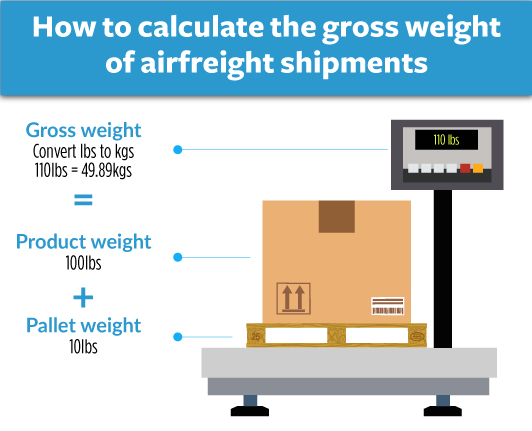
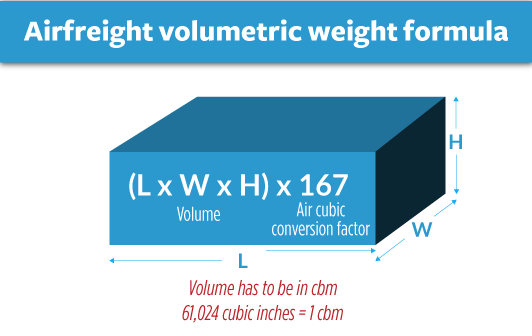
For example, let’s say you want to transport a parcel that have the following dimensions: W: 91, H: 47, L:26, the total volume is 0.111m3. If you multiply it by 167, the volumetric weight of your air shipment is 18.53kgs.
When shipping by air, you have to know that 1 CBM= 167 kgs. In this way, you have to multiply the volume of your parcel by 167. As an example, let’s take the following situation:
You need to ship the following parcel: W: 120, H: 78, L, 45, for a total volume of 0.42m3. 0.42 * 167 = 70 kgs (rounded). The volumetric weight of your parcel is thus 70 kgs. If this weight is higher than the real weight of your shipment, we have to consider this one when quoting for it.
The weight is not the only factor affecting the quotation. Naturally, the price will also depend on the service you require.
*A door-to-door service will obviously be more expensive than a door-to-airport
Info SIAM:
Are you planning to ship goods from Thailand by sea? Whether it’s a groupage shipment or a full container, DocShipper takes care of all the procedures with the various players in the logistics chain.
A single point of contact, dedicated service, peace of mind, expertise… DocShipper makes importing and exporting more pleasant.
Contact us to receive a free estimate in less than 24 hours. You have a question ? Call our consultants for free.
Door to Door between Thailand and Australia
Shipping goods from a factory in Bangkok directly to a warehouse in Sydney without managing each logistics step yourself — that’s the proposition of Door to Door shipping. On a route like Thailand–Australia, where biosecurity requirements, Australian Border Force scrutiny, and DAFF (Department of Agriculture, Fisheries and Forestry) quarantine rules add layers of complexity that catch unprepared shippers off guard, having a single provider manage the entire journey isn’t just convenient — it’s genuinely valuable.
Overview – Door to Door
Door-to-door shipping from Thailand to Australia covers every stage of the logistics chain: collection from your Thai supplier or warehouse, export clearance through Thai Customs, ocean or air freight to Australia, import clearance with the Australian Border Force, quarantine inspection coordination where required, and final-mile trucking to your delivery address.
Australia is one of the most biosecurity-conscious countries in the world. Goods arriving from Southeast Asia — particularly organic materials, timber, food products, and used equipment — are subject to mandatory declaration and potential quarantine examination by DAFF. A shipper managing these steps independently for the first time can face delays of several weeks and unexpected costs. A door-to-door provider builds these requirements into the plan from day one, pre-selecting appropriate packaging, ensuring accurate declarations, and coordinating inspection scheduling to minimize dwell time at port.
Despite typically costing more than managing each leg independently, door-to-door consistently earns high marks from our clients for the time it saves, the risks it eliminates, and the clarity it brings to a complex process. For importers and exporters operating regularly on the Thailand–Australia corridor, it is often the most cost-effective approach once the full picture — including the cost of delays, re-work, and compliance failures — is taken into account.
Why should I use a Door to Door service between Thailand and Australia?
Managing freight between Thailand and Australia independently means coordinating Thai trucking, a freight forwarder, export customs, an ocean carrier or airline, an Australian customs broker, a quarantine agent, and a final-mile delivery company — all while keeping your buyer updated. Here’s why door-to-door is a better operating model:
1. One Partner, Full Accountability: A single point of contact manages your shipment from pickup to delivery. No finger-pointing between carriers when something goes wrong; no dropped balls at the handoff between export and import.
2. Australian Biosecurity Handled Proactively: Australia’s DAFF quarantine requirements are among the strictest in the world. Your door-to-door provider pre-screens your goods, ensures packaging and cleanliness standards are met before departure (particularly for timber, soil-exposed equipment, and agricultural goods), and manages any inspection or treatment requirements on arrival — avoiding the costly experience of a container being held at Port Botany or Fremantle for weeks.
3. No Surprises at Australian Customs: Import duty calculations, GST on taxable importations, and tariff classification under Australia’s HTS schedule are all handled by experienced customs brokers within the door-to-door service. You receive a clear cost picture before the goods move, not an unexpected invoice after they arrive.
4. Speed When It Matters: Whether you’re replenishing seasonal inventory, fulfilling an urgent purchase order, or responding to a stock-out, door-to-door services are structured to move efficiently. Pre-arranged routing, pre-lodged customs entries, and established carrier relationships mean your cargo doesn’t wait in queues.
5. Specialized Handling for Complex Cargo: Thai exports to Australia include food products, electronics, automotive parts, chemicals, and hazardous materials — all of which carry specific documentation and handling requirements. A door-to-door provider manages the relevant permits, MSDS sheets, UN numbers, and regulatory compliance without you having to become an expert in Australian import law.
6. Trucking Included, Both Ends: From your supplier in Chonburi to the port gate at Laem Chabang, and from the wharf at Melbourne to your final delivery address — road transport on both sides is included. No separate negotiations with local hauliers, no communication gaps at either end.
DocShipper – Door to Door specialist between Thailand and Australia
DocShipper manages door-to-door freight on the Thailand–Australia corridor regularly, covering everything from LCL consolidations out of Bangkok to FCL container moves through Laem Chabang, and express air freight from Suvarnabhumi for urgent cargo. Our teams operate on both sides of the route, with established relationships at Laem Chabang, Sydney, Melbourne, Brisbane, and Fremantle.
Your dedicated Account Executive oversees the full journey — supplier coordination, export documentation, freight booking, Australian customs entry lodgement, DAFF quarantine liaison where needed, and delivery confirmation. You stay informed at every step; we handle every complication.
Reach out for a free estimate within 24 hours, or contact our consultants directly for a no-cost conversation about your shipment.
What duties and taxes will I pay for my goods ?
Most imported goods are subject to Australian Customs duties and 10% goods service tax. There are many different regulations and sometimes complex duty rates applicable to imported cargo.
There is no need to be in possession of any import license for unrestricted items, but as an importer, you have to obtain a permit to proceed to customs clearance.
Here are the basics documents that have to be provided to undergo customs clearance:
- Customs Entry (Informal Clearance Document – ICD)
- Airway Bill (AWB) / Bill of Lading (BOL)
- Commercial Invoices (Incoterm, name/address of the supplier, currency, country of origin)
*Now let’s have a close look at the cases for which things are different.
GST on Imported Goods
In Australia, the Department of Home Affairs collects GST on taxable importations. The GST payable accounts for 10% of the value of the taxable importation.
Thus, the total value is the sum of:
- The customs value of the goods
- Customs duty payable
- The amount paid or payable to transport the goods to their place of consignment in Australia
- The insurance cost for that transport
- Any other tax payable
Usually, GST has to be paid prior to the release of the cargo by Home Affairs. If you are not registered under the deferred GST scheme yet, then you’ll pay GST at the same time, at the same place, and in the same manner as you would do for customs duty.
*Goods and services tax (GST) has to be paid for the majority of goods being imported into Australia.
Import duties from Thailand to Australia
Tariffs and Taxes
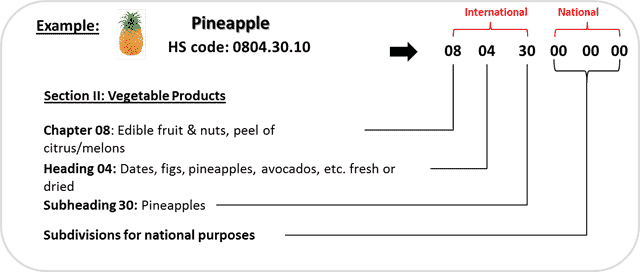
Australia is aligned with the Harmonized Tariff System (HTS) for imported and exported goods coming from members states of the Association of Southeast Asian Nations (ASEAN).
Here is the composition of an HS Code, you can now see what an HS code is and what does it mean.
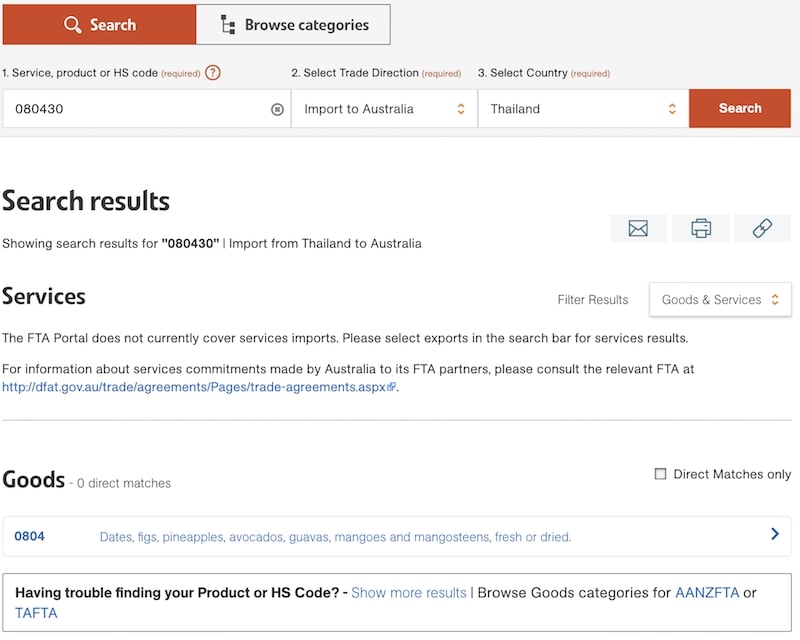
You can also search for the taxes on the official website of the Australian customs. If you know the HS code of your goods, write it in the searching bar. If you don’t know the HS code, type key words to designate your goods in the “Description” bar. For example, if you’re searching for the taxes that applies on a milking machine, fulfil the “lookup import tax” like this.
To find further information about duties and taxes in Australia according to your HS code, please check the official website: Customs in Australia – Free Trade Agreement Portal
The customs services
Customs contact in Australia

Official name: Australian Quarantine and Inspection Service
Official Website: https://immi.homeaffairs.gov.au/
Thai Customs

Official name: Customs Department of Thailand
Official website: https://www.customs.go.th/
Customs process
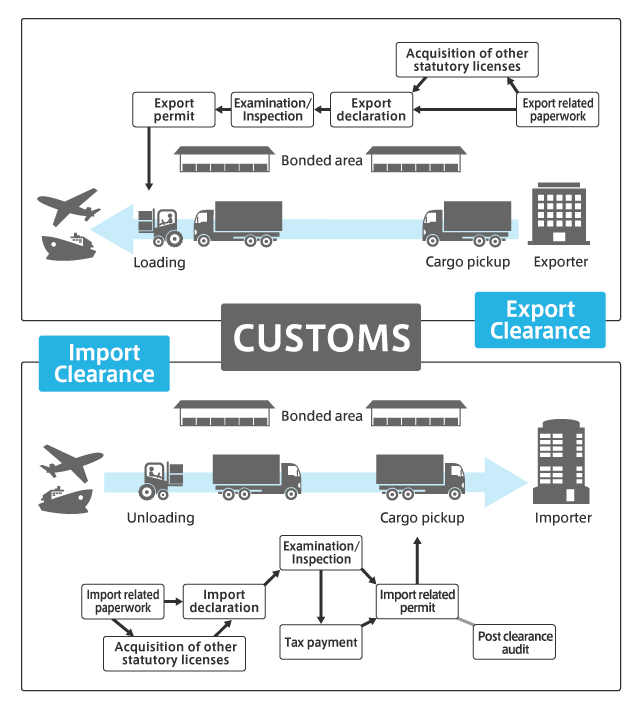
OUR SHIPPING DEPARTMENT INFORM YOU
Your 10 Step Guide to Importing Goods Into Australia
A great way to offer a wider offer to the customer is to offer products that come from other countries, especially if you can not find a local manufacturer. But it is not easy because of the multitude of regulations and the costs that can be incurred by products imported from abroad.
We offer you a 10 step guide to read before ordering your container to understand the most important subtleties of importing products.
Step 1 – Make sure you’re aware of importing laws and government regulations
There are certain rules imposed by the Australian government that you must respect when importing goods. You will find lots of information on the internet to understand how it works. Remember that all imports must comply with government regulations.
We should start with the rules of government imports. Watching these rules of the Ministry of Immigration and Border Protection is very important. They are the ones who are responsible for the goods.
Step 2 – Find out if you need a specific permit
Having a general license to import goods into Australia is not necessarily necessary for businesses or individuals. Sometimes you may be asked for a permit for certain types of goods at the time of customs.
There are goods that are prohibited from importing. This includes products such as hazardous chemicals, pharmaceuticals, narcotics, certain foods, weapons, tobacco and biological materials. Chemicals have specific regulations.
Step 3 – Learn if your goods will need to be quarantined
If you are transporting plants or animals, mineral or human products. These will be quarantined for processing. You can find full details of quarantine rules in Australia here : business.gov.au – Quarantine rules
Step 4 – Learn about the tariffs and taxes you’ll need to pay
You will probably have taxes to pay on imported products.
You need to understand:
- Import the entry fees and processing fees you can find here : Australian customs
- Valorize your goods for customs duties.
- Find out if you have to pay taxes on products and services.
- Obtain the right tariff classification for your products.
- Taxes on alcohol, tobacco and fuel.
- An Australian business number for claiming tax credits and deferring tax payments may be requested. You should contact your tax office for more information.
Step 5 – Understand the charges for import duty, and goods and services sales tax
You will find an estimate of the types of fees you will have to pay: for products with a value greater than $ 1,000 AUD, there will certainly be GST import duties payable.
- Import entry fees and processing fees – Customs will charge you a fee (generally less than $ 200 AUD) for processing your goods.
- Customs import duty is a percentage of the price you paid for the goods. The rate of duty can vary from 0% to 10%, it is often a 5%
- The Goods and Services Sales Tax (GST) will also be charged based on the following:
- valuation of assets more;
- The amount of the Customs import duty plus;
- Cost of goods insurance their transportation to Australia.
- The GST is invoiced at 10% of the final amount. This is a general guide on products, fees vary depending on the products you can import.
Step 6 – Take advantage of any concessions
Many free trade agreements exist between Australia and other countries around the world. This limits international trade barriers and thus reduces import costs. You can find a lot of information about ALE, depending on which country you are importing from.
For more information, check official free trade agreement.
Step 7 – Find out about other costs
There are several different types of cost you need to be prepared:
- The cost of purchasing the goods
- Shipping and logistics costs for shipping.
- Freight handling fees at airports or ports.
- Insurance costs if you sign up
Step 8 – Make sure your goods are labelled accurately
Your goods must also be properly labeled. It will be necessary to display the country of manufacture and of origin, a complete description of the merchandise, the address of the recipient and that of the sender. The labels are in English attached so that it can be seen very easily on the cardboard.
Step 9 – If in doubt, check with the authorities
Each import will be different from the previous one. It is necessary to check all the information that you can find in the advice that we give you above. If you need you can talk to the customs coordinates are available below.
Contact them on the following link: Australian authorities
Step 10 – Paying for your goods in foreign currency
It is not easy to import products, the payment of suppliers from abroad is an example. For example, you can use OFX. They are specialists in international payments for Australian companies. Each customer of this company is going to have a personal manager providing forward exchange contracts for example.
Prohibited & Restricted Items
Drugs

Explosives

Biohazard

Chemicals

Corrosive

Counterfeit

Ivory

Batteries

Flammable

Firearms

Drugs

Counterfeit

Poison

Pornography

Knife

Tobacco

Gambling

Hazardous

Thailand – Australia trade and economic relationship
Thailand and Australia have maintained strong commercial ties for decades, underpinned by geographic proximity, complementary economies, and a shared network of regional trade agreements. Australia ranks among Thailand’s top ten export destinations, and Thailand is one of Australia’s most significant trade partners within Southeast Asia.
Thailand’s main exports to Australia include vehicles and automotive parts, processed food and beverages (particularly seafood, rice, and canned goods), electrical machinery and equipment, rubber products, and furniture. In the other direction, Australia exports to Thailand primarily in minerals and fuels, agricultural commodities (wheat, wool, meat), and specialized machinery.
Bilateral trade between the two countries has grown substantially since TAFTA came into force, with total two-way trade in goods and services exceeding AUD 22 billion in recent years. Thailand’s manufacturing competitiveness — particularly in automotive, electronics, and agri-food sectors — continues to make it an attractive sourcing destination for Australian importers, while Australia’s resource wealth and high consumer spending power make it a valuable market for Thai exporters.
The Thailand–Australia Business Council and ongoing diplomatic engagement between the two governments continue to deepen the relationship, with particular focus on supply chain resilience, food security, and clean energy cooperation — areas that are likely to drive new trade flows in the years ahead.
Trade agreements between Thailand and Australia
Thailand and Australia have a bilateral Free Trade Agreement in place: the Thailand–Australia Free Trade Agreement (TAFTA), which came into force in January 2005. TAFTA has progressively eliminated or reduced tariffs on a wide range of goods traded between the two countries, meaning many Thai exports to Australia now attract a 0% duty rate, and Australian exports to Thailand benefit from similar concessions.
In addition to TAFTA, both countries are signatories to the ASEAN–Australia–New Zealand Free Trade Agreement (AANZFTA), which entered into force in 2010 and provides an additional framework for preferential tariff treatment across a broad range of product categories.
For importers, the practical implication is clear: correctly declaring your goods’ country of origin and obtaining the relevant Certificate of Origin (Form AIFTA or equivalent) can eliminate or significantly reduce the import duty you pay in Australia. This makes the paperwork genuinely worth doing. Consult your freight forwarder or customs broker to confirm which agreement applies to your specific HS Code and product category.
OUR MOVING DEPARTMENT INFORM YOU
MOVING PERSONAL EFFECTS TO AUSTRALIA
Why Australia?
Moving to Australia means having access to a myriad of opportunities. The economy is one of the most stable throughout the world – it has achieved consistent annual growth and has the longest record of being free from recession.
Major cities like Sydney, Melbourne, Brisbane, Perth and others offer every kind of service and leisure that you could ask for. A multicultural and vibrant culture allows residents to cultivate a modern and open-minded experience.
With its healthy economy, transparent governance, comprehensive benefits for residents and its longstanding connection with Asian countries like Thailand, Australia is an ideal place to relocate to.
Relocating from Thailand to Australia
Whether you’re coming from Thailand or from any other place, relocating to Australia requires a reliable set of information about customs, transportation and onboarding to seamlessly transition into Australian life.
SIAM Relocation is one organization that can take care of every logistics and relocation need. Our expert team has decades of experience in this domain, making us your best partner for your moving process.
Here are key considerations when relocating to this country:
Customs Process
Going through customs is a big part of traveling from one country to another. You have to go through Customs check with your required documents, which include:
- Ocean Bill of Lading or Airway Bill
- Duly completed Customs Form B534 (version 6/00)
- Passport ID and signature page(s) needed for clearance. Signature on Form B534 must match the one on the passport.
- A blank copy of the current Unaccompanied Personal Effects Statement (Form B534)
- Inventory of goods written in English
- Packages that each have a list of contents in English
- Copy of Identification page and visa from owner’s passport
- Full name and Australian residential (not business) address of owner
Currency
In terms of currency, while there’s no limit to the amount you can bring in or out of the country, you must declare money that amounts to AUD 10,000 or more in Australian currency or any foreign equivalent.
Personal Effects
Other possessions like prescription medicines, heritage-listed goods (e.g., artwork) and weapons need special permit to be allowed to enter the country.
Keep in mind that all household items and personal possessions entering the country are subject to examination by the Department of Agriculture. Such quarantine examination can take around 14 working days after the arrival of your shipment.
To expedite the process, it’s best to clean your goods thoroughly – especially those that have come in contact with soil or vegetation.
Vehicle Importation
Importing a vehicle into Australia can be a tedious process. Depending on the type of vehicle and purpose, requirements are complex and involve several government organizations.
Here is an overview of the steps needed to import a vehicle:
- Secure a Vehicle Import Approval from the Department of Infrastructure, Regional Development and Cities
- The Department of Customs will attribute a levy to the car, calculated with its original country price and Australian Landed Value
- Arrange shipping of vehicle. Make sure car is steam cleaned and tested for asbestos. Ensure that the air-conditioning gas is removed to pass quarantine tests.
- Secure Customs Clearance, where Customs duty and Goods and Services Tax are paid. For luxury vehicles with value above AUD57,466.00 a Luxury Car Tax is levied at 33%
- Apply for identification plate approvals and register the vehicle in which state or territory you will be relocating
Method of Transportation
When you are coming from Thailand, you have 2 main options for bringing your possessions into Australia: by air or by sea. Each one has its own advantages and drawbacks, which should help you come to a suitable decision based on your needs.
Cost of Living in Australia
If you are originally from Thailand, chances are, you will undergo some adjustments upon moving to Australia. For one, the cost of living is a bit higher compared to the traditional South Asian lifestyle.
While expenses depend on how many persons are in a given household and what type of lifestyle they adopt, the national average living cost in Australia could be almost $3,000 per month for a single person. For couples, it’s over $4,000 and for a family, the monthly budget could be over $5,000.
Albeit basic consumer prices in Bangkok is lower by about a third of cost, purchasing power is lower in Bangkok than, say, Sydney.
Household property rates are also more expensive in Australia, so you may have to reconsider how much space you will be renting when you relocate here.
Top Tips For Moving To Australia Worry-Free
Here are essential steps on how to relocate to Australia:
Make your move organized
It takes a lot of work and effort getting your move organized, but it’s worth it to maximize outside help for this process.
For instance, when you want to move your goods and property from storage to your new home, it’s best to hire a reliable moving company that will take care of all that work.
SIAM Relocation is one specialty service that offers moving services in Sydney, Melbourne, Brisbane, Adelaide, Perth and the Gold Coast. They have expert workers who assist in the packing and unpacking of items – making sure that your furniture, equipment and valuable pieces are securely transported in and around Australia’s major cities.
Go for temporary accommodations
Rental properties in cities and suburbs alike can be fiercely competitive, so if you are still looking for a place in any major location, you could opt for temporary accommodations.
Websites like Stayz.com.au or Airbnb can provide furnished dwellings while you search for a more permanent home.
Secure your finances for at least 6-8 weeks
Unless there’s a job waiting for you upon your relocation, it’s recommended that you prepare enough cash for 6-8 weeks rent and daily costs.
In Australia, many rental properties require 4 weeks deposit as well as a month of advance. So make sure that you have enough to cover costs not just with moving but also during your first few months of stay in your new city.
Get a Tax File Number
Relocating to Australia most likely means that you intend to work here, so it’s important to apply for your Tax File Number (TFN). While this is not a compulsory requirement, working without one could subject you to higher tax charges.
Getting your TFN is pretty convenient; apply online for free once you are granted a work visa.
Enjoy every second of your new Australian life
Australia is filled with sports-loving, laid-back and hospitable people, so travel a lot and take in as much as you can of the culture and vibe of the country.
Just don’t forget your sunscreen and your IDs – these are your everyday essentials no matter your age.
Moving to Australia takes a lot of research and work. Luckily for Thailand nationals, Australia is an accessible country to relocate to. With due diligence, thorough planning and willingness to embrace a new kind of living experience, you will be on your way to having a great life Down Under.
WHY CHOOSE US?
SIAM Shipping has built a strong expertise over the years when it comes to customs clearance, documentation, and all related operations. If you want to ship goods from Thailand to Australia, we can become your long-term business partner, ensuring safety and security to your daily business activities.
SIAM Shipping is all about efficiency, transparency, and customer satisfaction!
Additional logistics services
Venture beyond shipping and customs with SIAM Shipping! Explore our wide array of additional logistics services, ensuring your supply chain operation runs smoothly from start to finish. Let's take care of everything, together.
Warehousing and storage
Finding the right warehouse for your goods can feel like a treasure hunt—a steady temperature for your delicate items is a must. Storing chocolates? You wouldn’t want a meltdown! For a stress-free solution that considers all conditions, explore our warehousing services, designed to keep your goods in prime condition.
Packaging and repackaging
Inherent challenges in shipping from China to France make quality packaging vital. Having a reliable agent can help ensure your wine barrels or electronics are suitably packed and repacked, reducing the risk of damages. Whether it's ceramics securely cushioned or machinery components assembly-segregated, great packaging caters to every product. Find out more about securing your cargo on our dedicated page: Freight packaging.
Cargo insurance
Contrary to fire insurance limited to premises, transport insurance is your flotation device over rough trade seas. Imagine sending a pricey, custom-built machinery and it gets damaged in transit. Ouch! But, with cargo insurance, you're covered and can breeze through such setbacks. It's the booster dose of prevention to keep your trade immunity sky-high.
Personal effects shipping
Moving precious belongings from China to France? No worries, we manage fragile or bulky items with extra care, ensuring they reach your new French home intact. Like Aunt Mei's porcelain vase, we pack, transport, and deliver with professionalism. Save time and energy for croissants and vin rouge!
Freight between Thailand and Australia| Rates - Delay - Duties & Taxes
If you are shipping from Laem Chabang or Bangkok to Sydney, Melbourne, or Adelaide, here is what the market looks like in early 2026.
For full container loads, most spot rates on this lane typically fall within these ranges:
- 20ft container (FCL): roughly USD 1,200 to 2,500 port to port
- 40ft container (FCL): roughly USD 1,800 to 3,800 port to port
- LCL: calculated per cubic meter, often competitive for shipments under 10 to 12 CBM, but with higher total handling charges
These are market averages, not guarantees. Final pricing depends on season, carrier space, fuel surcharges, and how tight capacity is in Southeast Asia.
What most importers underestimate are the local charges. Terminal handling in Australia, documentation fees, biosecurity inspections, and delivery from port to warehouse can easily add a few hundred to several thousand Australian dollars depending on volume. We always break down origin charges, ocean freight, and destination charges separately so you see the real landed logistics cost before confirming your order.
If your supplier quotes you a very low FOB price, check what is not included. This is where many first time importers get surprised.
Transit time on this route is relatively stable compared to Asia to Europe or the US, but you still need to distinguish between port to port and door to door.
- Sea freight port to port: around 14 to 21 days from Laem Chabang to Melbourne or Sydney, depending on the service and transshipment in Singapore
- Sea freight door to door: usually 20 to 30 days once customs clearance and local delivery are included
- Air freight airport to airport: 1 to 3 days flight time from Bangkok to major Australian airports
- Air freight door to door: typically 4 to 7 days including customs and last mile delivery
Direct services run weekly from Laem Chabang via Singapore to Australia’s main ports. Cut off times at origin matter. If your cargo misses the vessel closing by one day, you lose a full week.
For urgent or high value goods, air is reliable. For stock replenishment, sea freight is far more cost efficient. The key is aligning production completion dates in Thailand with vessel schedules. This is where planning saves you from expensive last minute air shipments.
Australia applies a 10 percent GST on most imported goods, calculated on the CIF value plus duty. This applies to commercial shipments regardless of value.
In terms of customs duties, many products traded between Thailand and Australia benefit from preferential treatment under regional and bilateral trade agreements. Depending on the HS code and origin compliance, customs duty can be reduced or eliminated. But you must provide the correct certificate of origin and product classification. If documentation is wrong, you lose the preference.
The bigger operational risk on this route is not duty, it is biosecurity.
- Wood packaging must comply with ISPM 15
- Used machinery may require cleaning certificates
- Food, plant based, or animal products face strict quarantine checks
If the Department of Agriculture selects your container for inspection or fumigation, clearance can be delayed and additional fees apply. We always pre check commodity risk before shipping, especially for furniture, agricultural goods, and machinery. That prevents costly holds at Sydney or Melbourne.
On paper, this is a straightforward Asia to Australia trade lane. In reality, most issues happen between the steps, not during the ocean voyage.
We coordinate:
- Pickup from your Thai supplier and export clearance
- Space booking with carriers serving the Australia loop
- Verification of packing compliance for Australian biosecurity
- Australian customs clearance and GST calculation
- Inspection management if your cargo is flagged
- Final delivery to warehouse or distribution center
Experienced importers usually come to us for better cost control and visibility. First time importers come because they want to avoid mistakes. In both cases, the value is not just booking freight. It is preventing delays, storage charges, and compliance problems that cost more than the freight itself.