


Freight Shipping between Thailand and Canada | Rates, duties & more
The first thing you should know about shipping between Thailand and Canada is that distance is not the real challenge, coordination is. You’re dealing with production schedules in Bangkok or Laem Chabang, long ocean or air legs, and strict Canadian customs controls that won’t forgive paperwork errors.
If you’re planning freight from Thailand to Canada, you need clear numbers on transit times, realistic cost drivers, and a solid grasp of duties and compliance before your cargo even leaves the warehouse. This guide gives you the operational standard for this route so you can budget accurately, avoid delays, and move with clarity.
Which are the different modes of transportation between Thailand and Canada?
If you’re choosing a transport mode, start with this simple logic: air freight is for urgency, high value goods, or tight launch deadlines, usually departing from Suvarnabhumi Airport and landing in Toronto or Vancouver within days, while ocean freight from Laem Chabang Port to Vancouver or Prince Rupert is the cost-efficient option for larger, heavier, or less time-sensitive shipments. You’ll notice fast that sea freight wins on cost per cubic meter, but it requires stronger forecasting and inventory planning.
It’s simpler than it looks once you see the trade-off between speed, volume, and cash flow, and this is exactly where we help you compare real-time capacity, rates, and seasonal congestion before you commit. In the sections below, we break down each option in detail so you can align your choice with your cargo, timeline, and budget.
Need help with your shipment?
Need assistance with your shipment? Dont hesitate to contact us even for a simple question. Choose the option that suits you
Live chat with an expert Chat on WhatsApp Free Quote 24hHow can Siam Shipping help you
Sea freight between Thailand and Canada
Ocean freight is a crucial bridge linking the bustling economies of Thailand and Canada. Strategic location of ports like Laem Chabang in Thailand and Vancouver in Canada makes them lifelines for bustling industrial sectors, connecting manufacturers and consumers across thousands of miles. Primarily, ocean shipping is the lifeblood of this trade relationship, offering a cost-effective conduit for moving high-volume goods despite its unhurried pace. However, the path isn’t always smooth sailing.
Indeed, shippers often trip over intricate procedures and underappreciated nuances of maritime logistics while navigating this international route. Mistakes are common, leading to unnecessary delays and cost overruns. Missteps can come from anywhere – improper customs paperwork, lack of understanding about cargo loading, or misconceptions about container types. But don’t despair! With well-devised best practices and in-depth knowledge, much of the turbulence can be smoothened. Stick around as we take you through effective strategies and those life-saving tips to master the art of ocean shipping between Thailand and Canada.
Main shipping ports in Thailand
Located at the Gulf of Thailand, this port is the country’s busiest and most strategic due to its maritime connectivity, with a shipping volume exceeding 8.6 million Twenty-Foot Equivalent Units (TEUs) annually. It is essential for Thailand’s automotive and electronics industry.
Key Trading Partners and Strategic Importance: Major trading partners include China, the USA, Japan, and the ASEAN countries. Laem Chabang plays a significant role in the trade between these countries, often acting as the central trans-shipment point.
Context for Businesses: If your business aims to have a substantial presence in Southeast Asia and wants reliable access to large markets, Laem Chabang Port could be a key component of your strategy, given its mitmaritime connectivity and location close to major consumer markets.
Located by the Chao Phraya River, Bangkok Port is the second busiest nationwide handling over 0.9 million TEUs annually. It serves as a key gateway to the capital city of Bangkok, a vibrant economic hub.
Key Trading Partners and Strategic Importance: Primary trading partners include China, other ASEAN countries, Japan, and South Korea. Bangkok Port is strategically relevant to businesses serving urban consumers and mixed-industry markets.
Context for Businesses: If your goods cater to urban markets and are suitable for multimodal transport, Bangkok Port could fit well into your logistics. It’s intermodal facilities link seafreight, road, and rail efficiently.
Based within Rayong Province, Map Ta Phut is Thailand’s primary port for bulk and liquid cargo. Annually, the port handles around 207 million tonnes.
Key Trading Partners and Strategic Importance: Map Ta Phut Port mostly caters to countries with significant petrochemical and energy industries such as South Korea, Japan, and Singapore.
Context for Businesses: If your business handles bulk or liquid freight, especially in petrochemicals, Map Ta Phut Port could offer you substantial handling capacity, specialized infrastructure, and a strategic location close to Thailand’s energy sector.
Main shipping ports in Canada
Port of Vancouver:
Location and Volume: Located in British Columbia on the west coast, the Port of Vancouver is a gateway to the Pacific, with a shipping volume of 186 million tonnes.
Key Trading Partners and Strategic Importance: The port has expansive trading connections across 170 economies globally. It’s immensely important for Canadian trade, handling approximately $240 billion in cargo every year.
Context for Businesses: If your business objective involves enhancing your reach to the Asia-Pacific market, the Port of Vancouver’s strategic location and extensive connections can be a significant advantage to your shipping strategy.
Port of Montreal:
Location and Volume: Positioned on the Saint Lawrence River, the Port of Montreal is a vital hub for transatlantic trade with a shipping volume of 40 million tonnes.
Key Trading Partners and Strategic Importance: Main trading partners include Europe and the Mediterranean region. It is the largest container transshipment centre in the Great Lakes system, strategically placed to serve the industrial and agricultural heartland of North America.
Context for Businesses: If you’re looking to ship goods to and from Europe, the Port of Montreal could be a central element of your strategy due to its strong links to European trading partners.
Port of Prince Rupert:
Location and Volume: Situated in British Columbia, the Port of Prince Rupert is a growing gateway to Asia, boasting a shipping volume of 39 million tonnes.
Key Trading Partners and Strategic Importance: It’s best known for its fast and reliable trade routes to key Asian markets. It offers an efficient connection to North American rail networks.
Context for Businesses: If you’re considering fast transpacific shipping with reliable rail connections across North America, the Port of Prince Rupert would likely be a critical part of your strategy.
Port of Halifax:
Location and Volume: Found on the east coast in Nova Scotia, the Port of Halifax is crucial for transatlantic trade, with a shipping volume of approximately 8 million tonnes.
Key Trading Partners and Strategic Importance: Its key trading partners include Europe, the Mediterranean, the Middle East, and India. It is Eastern Canada’s ultra Atlantic gateway, catering to large, post-panamax vessels.
Context for Businesses: If your operations involve shipping heavy goods transatlantically, the Port of Halifax’s position and capability to handle large vessels can be a vital asset to your logistical process.
Port of Saint John:
Location and Volume: Located in New Brunswick, the Port of Saint John is a critical intermodal gateway, with a shipping volume of 36.4 million metric tonnes.
Key Trading Partners and Strategic Importance: It’s essential for trade with Europe, Latin America, and the Caribbean, besides domestic partners in Canada. It can competently handle all forms of cargo—container, bulk, and breakbulk.
Context for Businesses: If you’re planning diversified operations handling multiple types of cargo, the Port of Saint John’s versatility and extensive connections can benefit your shipping strategy.
Port of Quebec:
Location and Volume: Positioned on the Saint Lawrence River, the Port of Quebec is the farthest inland deep-water port in North America, having a shipping volume of around 37 million tonnes.
Key Trading Partners and Strategic Importance: Its primary trading partners include Western Europe and the United States. It has one of the largest bulk handling capacities in Canada.
Context for Businesses: If you’re eyeing a deeper reach into the North American market with bulk cargo, the strategic inland position of the Port of Quebec can amplify your logistics.
Should I choose FCL or LCL when shipping between Thailand and Canada?
Embarking on a shipping journey between Thailand and Canada? You have crucial decisions to make. One is choosing between Full Container Load (FCL) and Less than Container Load (LCL), also known as consolidation. Don’t let shipping jargon intimidate you! These terms simply refer to your sea freight options, with each having its unique impact on cost, delivery time, and the overall success of your shipping operations. Dive into this guide to understand their differences and, ultimately, make a strategic choice that complements your unique needs.
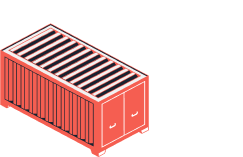
Full container load (FCL)
Definition: FCL (Full Container Load) shipping refers to when your freight gains exclusive rights to a 20'ft or 40'ft container's space, whether it's filled to capacity or not. When to Use: If your cargo is voluminous, typically more than 13/14/15 CBM, FCL shipping is the optimal choice. This choice ensures safety as your goods remain sealed in the container, eliminating risks of damage from interacting with other consignments. Example: An electronics manufacturer in Thailand, transporting 1000 units of a new gaming console to Canada, could benefit immensely from FCL shipping. These high-value consoles, shaped to optimize a 20'ft container, will be sealed at the origin and opened only upon reaching the destination - ensuring maximum security. Cost Implications: Although an FCL shipping quote might initially appear pricier than the per-unit LCL quote, it's more cost-efficient for high volume shipments. The overall cost per unit decreases as the quantity increases. Hence, if you're shipping a large volume, FCL could meaningfully reduce your per-unit shipping expense, yielding significant savings on the total logistics expenditure.
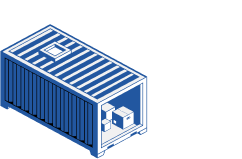
Less container load (LCL)
Definition: LCL or Less than Container Load shipping involves consolidating various shipments within one container. It's a cost-effective method for smaller volumes of freight, as you pay only for the space your cargo occupies within the container. When to Use: Opt for LCL shipping between Thailand and Canada when your cargo is less than 13/14/15 cubic meters (CBM). This option is beneficial when full container loads (FCL) are not economical or the cargo volume is insufficient to justify a full container. Example: Let's say you're a manufacturer of wooden toys in Thailand, shipping approximately 10 CBM of goods to a store in Canada every month. LCL shipping would be the ideal choice as your cargo volume is less than that required for a full container. Cost Implications: With LCL, you'll be charged based on the volume of your shipment. So, even though the rate per CBM for LCL freight might be higher than FCL, it turns out to be more economical for smaller volumes. However, do consider the fact that LCL shipments may incur additional handling charges at the destination due to the deconsolidation process.
Hassle-free shipping
With DocShipper, cargo shipping between Thailand and Canada is a breeze. Our seasoned ocean freight experts will assist you in choosing the optimal shipping method, considering factors such as the size, weight, and nature of your cargo, as well as the urgency of your shipment. Unsure if you should go for consolidation or a full container? Leave that decision to us. Get in touch now for a free estimation – let's make your freight handling experience smooth and hassle-free.
How long does sea freight take between Thailand and Canada?
Sea freight from Thailand to Canada typically approximately ranges from 25 to 50 days. This duration, however, can vary based on a number of variables such as specific ports used, weight, and the nature of the goods being transported. To get a more accurate estimate tailored to your shipment’s specific parameters, it would be wise to consult with a freight forwarder like DocShipper.
Now, consider the following table showcasing the average transit times (in days) for sea freight between major ports in both countries. Remember, these are just averages.
Thailand Ports Canada Ports Average Transit Time (days) Laem Chabang Vancouver 29 Bangkok Montreal 49 Map Ta Phut Halifax 46 Sattahip Prince Rupert 26*For exact quotes, logistics details, and timelines, reach out to your freight forwarding partner.
How much does it cost to ship a container between Thailand and Canada?
Understanding the cost of shipping between Thailand and Canada involves juggling several variables. Ocean freight rates, in particular, can fluctuate due to factors such as Point of Loading, Point of Destination, the carrier, the nature of the goods being shipped, and regular market movements. Because of this, it’s nearly impossible to provide an exact shipping cost without understanding the specifics of your situation.
But don’t fret! Our shipping specialists are always ready to work closely with you, tailoring the most cost-effective solutions to your unique needs as we quote on a case-by-case basis.
Special transportation services
Out of Gauge (OOG) Container
Definition: An OOG container is specially designed to carry oversized cargo that does not fit into standard shipping containers. Suitable for: Out of gauge cargo, including large machinery, industrial equipment and oversized items that surpass standard container dimensions. Examples: Large machinery parts, agricultural equipment, wind turbines. Why it might be the best choice for you: If your business is shipping oversized items or equipment between Thailand and Canada, using an Out of Gauge container can be an efficient and safe solution.
Break Bulk
Definition: Break bulk is a method where goods are loaded individually onto a vessel, rather than being packed into containers. Suitable for: Large items that are difficult to containerize, including machinery, construction materials, and boats. Examples: Construction equipment, industrial machinery, yachts. Why it might be the best choice for you: Break bulk is a great choice if the loose cargo load you need to transport cannot be easily containerized or split over multiple containers.
Dry Bulk
Definition: Dry bulk refers to granular, free-flowing commodities loaded directly into a ship’s hold. Suitable for: Commodities such as grain, coal, and iron ore that are not packaged separately. Examples: Iron ore, coal, grain, sand. Why it might be the best choice for you: If you’re shipping bulk commodities like grain or sand, dry bulk shipping offers a cost-effective, efficient method.
Roll-on/Roll-off (Ro-Ro)
Definition: Ro-Ro vessels are designed to carry wheeled cargos, such as cars and trucks, that drive on and off the vessel on their own wheels or are moved on board using a ro-ro vessel platform. Suitable for: Any vehicles, trucks, or trailers that can move on their own wheels. Examples: Cars, trucks, mobile homes, tractors. Why it might be the best choice for you: If your business needs to ship drivable machinery or vehicles between Thailand and Canada, a Ro-Ro vessel offers a secure and efficient method of transport.
Reefer Containers
Definition: A reefer container is a temperature-controlled container used to transport perishable goods. The container’s internal temperature can be regulated, keeping goods at their optimal temperature during transit. Suitable for: Perishable items or goods that require specific temperature conditions. Examples: Fresh fruits, vegetables, dairy products, pharmaceuticals, and wines. Why it might be the best choice for you: If you need to transport perishable cargo or temperature-sensitive items, utilizing reefer containers will ensure your cargo arrives in Canada from Thailand in the same condition it initially was.
At DocShipper, we understand that every business has unique shipping needs. Whether you’re shipping small electronics or bulky machinery, our team is prepared to help you find the most efficient and affordable shipping option for your needs. For a free shipping quote, contact us. We guarantee a reply within 24 hours.
Air freight between Thailand and Canada
Air freight from Thailand to Canada can be your highway in the sky, offering speed and reliability unmatched by sea or land transportation. Picture this – you’re an electronics company ready to ship small yet costly microchips. They must arrive promptly and in tiptop condition. Air freight becomes your best friend. It’s not just about speed; air freight can score big on safety, frequency of flights, and global coverage as well.
However, despite these perks, some jet-set shippers fall into trapdoors. Mistakenly using the wrong weight formula when calculating shipping costs can sting like a bee. Ignorance of best practices, like accurate documentation, could leave you counting unnecessary dimes. Fear not, however, as our guide will illuminate your path in the complex maze of air freight, ensuring not just a smooth but cost-effective journey for your precious cargo.
Air cargo vs express: how should you ship on this route?
When you compare air cargo vs express courier Thailand to Canada, you are really choosing between control and simplicity. Standard air cargo means your shipment travels under an airline air waybill, usually consolidated with other freight. Express means an integrator handles pickup, flight, customs, and final delivery under one system.
If you want flexibility on airports, better rates for heavier loads, or a tailored door-to-door air freight service, standard air freight makes sense. If you have small cartons, urgent samples, or no in-house logistics team, express air freight Thailand to Canada may feel easier. The right option depends on your volume, urgency, and how much cost control you expect.
Should you choose air cargo from Thailand to Canada?
If your shipment is above 100 to 150 kg, or close to 1 CBM, standard air freight Thailand to Canada usually becomes more competitive. This is especially true for B2B flows, repeat shipments, or when you need airport-to-airport air cargo with structured pickup and delivery on both sides.
Before booking, you should have dimensions, total weight, HS code, Incoterm, preferred airports, ready date, and a clear cargo description. If your goods fall under dangerous goods by air (DGR) or temperature-controlled air cargo, you also need compliant packing and declarations under IATA cargo standards.
Most mistakes happen here. You assume airport-to-airport includes delivery — it does not. You miss the airline cut-off and lose a full day. You forget minimum charges or destination handling fees at Canadian airports. On this route, planning your air freight booking 2 to 4 days before cargo readiness avoids last-minute rate spikes.
Should you choose express air freight from Thailand to Canada?
You choose express air freight Thailand to Canada when you ship small parcels, usually below 100 kg, and want speed with minimal coordination. It works well for samples, spare parts, e-commerce, or time-critical shipments when you cannot manage multiple service providers.
The trade-off is control. Express couriers bundle pickup, customs, and delivery, but you have less visibility on the cost breakdown. Reweigh and remeasure adjustments are common if your volumetric weight is underestimated. You may also assume duties are included when the Incoterm says otherwise.
Express is a good option if your shipment is compact and urgent. It becomes risky if your cartons are light but bulky, poorly packed, or if you need special handling such as perishable goods with strict temperature control.

Main airports to know in Thailand and Canada
- Suvarnabhumi Airport (BKK), Bangkok – The primary international cargo gateway and the backbone of most air freight services Thailand to Canada. You get the widest airline choice and better consolidation options, but peak season congestion can affect uplift.
- Don Mueang International Airport (DMK), Bangkok – Often used for regional and express flows. If your supplier is near central Bangkok, trucking costs can be competitive, but long-haul capacity is more limited.
- Phuket International Airport (HKT) – Relevant if you export seafood or southern Thailand production. Most long-haul shipments still connect via Bangkok.
- Toronto Pearson International Airport (YYZ) – Canada’s busiest cargo hub and the primary entry point for most air shipments. Strong customs infrastructure and national distribution links across Ontario and eastern Canada.
- Vancouver International Airport (YVR) – The main gateway for western Canada and the most direct routing from Bangkok given Pacific geography. Strategic if your consignee is in British Columbia or the western provinces.
- Montréal-Trudeau International Airport (YUL) – Key hub for Québec and eastern Canada. Useful if your consignee is in Montréal or if you need bilingual customs handling for French-language documentation requirements.
- Calgary International Airport (YYC) – Relevant for Alberta and prairie province deliveries. A growing cargo hub for energy sector and agri-goods imports.
Your airport choice directly affects total cost. Pre-carriage in Thailand, final trucking in Canada, and whether you choose direct flight vs transshipment all influence your real lead time. Most flows move Bangkok to Toronto or Bangkok to Vancouver. If you select a secondary airport, verify capacity, customs clearance capability, and local handling before confirming your booking.
Transit times: how long does air freight take from Thailand to Canada?
Service Type | Estimated Transit Time |
Standard air cargo (direct or 1 stop) | 4 to 7 days airport to airport |
Express courier service | 3 to 5 days door to door |
Your real air freight transit time Thailand to Canada depends on flight availability, whether you use a direct or transshipment routing, and how early your cargo reaches the terminal before cut-off. Most delays come from three areas: late delivery to the airport and a missed cut-off, additional CBSA security screening or document checks, and seasonal capacity pressure before peak periods. Always calculate your total lead time from factory ready date to final delivery, not from flight departure only.
Shipping rates: how much does air freight cost from Thailand to Canada?
Your air freight rates Thailand to Canada are quoted per chargeable kilogram. On this lane you typically see a wide market range depending on season, capacity, and fuel conditions. Express services are usually higher per kg than standard consolidated cargo.
If you are estimating your air cargo cost per kg for this route, focus on four drivers: your chargeable weight, your carton dimensions and packing density, urgency and available space on the flight, and the chosen airports including whether you include pickup and final delivery.
You should also budget for origin handling, documentation, customs clearance, CBSA fees, and possible inspection fees at Canadian customs. Your packing design often changes your rate more than the airline itself.
What is the difference between volumetric and gross weight?
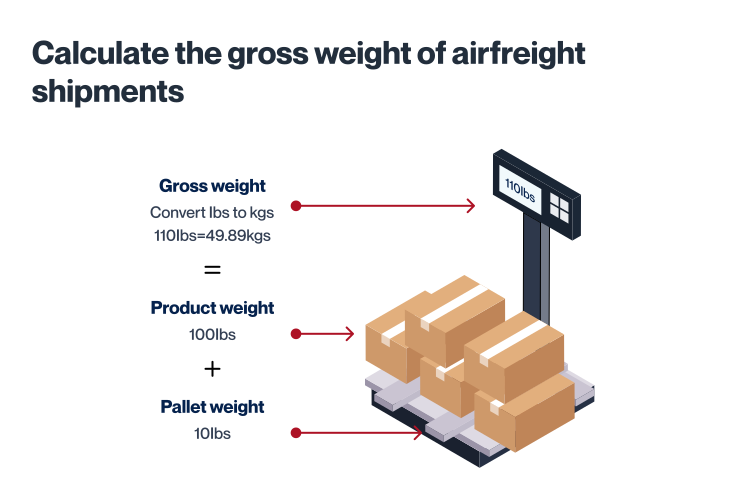
When you book air freight from Thailand to Canada, the airline charges you based on the higher of gross weight or volumetric weight. Gross weight is what your cargo actually weighs on a scale. Volumetric weight reflects the space your cargo occupies in the aircraft. Because aircraft space is limited, light but bulky cargo can cost more than you expect.
Gross weight – The real weight of your goods including packaging.
Volumetric weight – A calculated weight based on dimensions.
Chargeable weight – The higher of gross or volumetric weight.
Air waybill (AWB) – The transport document issued for your shipment, either as a house air waybill (HAWB) or master air waybill (MAWB).
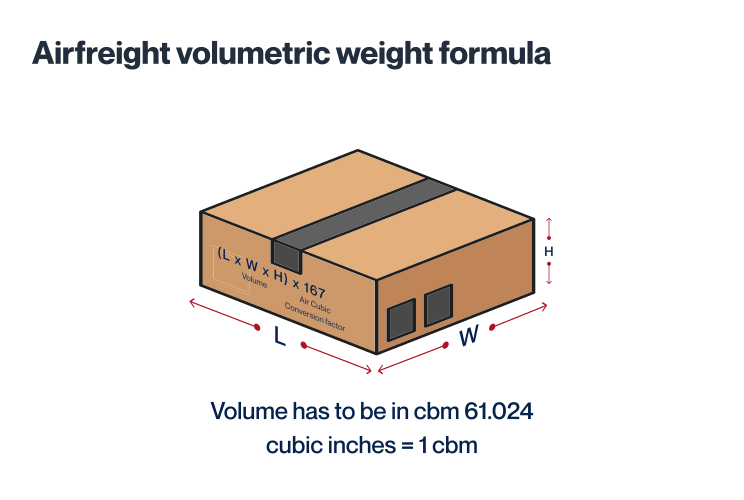
How to calculate: Length (cm) × Width (cm) × Height (cm) ÷ 6000 = Volumetric weight in kg for standard air cargo. For express, divide by 5000 instead.
Service | Conversion Rule |
Air cargo | 1 m³ = 167 kg, divisor 6000 |
Express courier | 1 m³ = 200 kg, divisor 5000 |
Example: If your carton measures 50 × 50 × 50 cm, the volumetric weight in air cargo is 50 × 50 × 50 ÷ 6000 = about 21 kg. If the real weight is 18 kg, you will be charged on 21 kg. |
Common mistakes: You underestimate box size, you ignore pallets in the calculation, or you compare express and cargo without adjusting the divisor. A simple chargeable weight calculation before booking helps you avoid surprises and negotiate from a stronger position.
Door to Door – Thailand to Canada
Overview – Door to Door
Shipping between Thailand and Canada can feel like coordinating a dozen moving parts at once — the Pacific crossing alone spans thousands of kilometres before your cargo even reaches Canadian customs. Our door-to-door service consolidates every step under one accountable partner. From pickup at your Thai supplier’s factory to final delivery at your Canadian address, we handle trucking, export customs clearance in Thailand, ocean or air freight, import customs clearance with the Canada Border Services Agency (CBSA), and last-mile delivery. You get budget predictability, a single point of contact, and no risk of falling between logistical gaps.
The trade-off is straightforward. You hand over direct carrier relationships in exchange for operational simplicity. On a route where Thai export documentation and Canadian customs procedures both require precision, keeping it all under one umbrella reduces the risk of costly errors. That is the logic behind door-to-door shipping between Thailand and Canada, and it is why businesses of all sizes use it as their default model on this corridor.
Why should I use a Door to Door service between Thailand and Canada?
If your team is spending more time chasing freight updates than running the business, door-to-door shipping is designed to fix exactly that. Here are five reasons to consider it on this route.
- Stress-Free Logistics: One partner coordinates everything — pickup in Thailand, export clearance, ocean or air transit across the Pacific, CBSA import clearance in Canada, and final delivery. You no longer manage separate trucking companies, customs brokers, and carriers.
- Timely Delivery: Because the entire chain is coordinated upfront, cut-off dates, sailing schedules, and Canadian customs timelines are planned together. You avoid the gaps that appear when separate vendors hand off to each other without communicating.
- Specialized Handling: Whether you ship industrial machinery, electronics, food products, or fragile goods, a door-to-door service assigns the right handling mode at each stage. Fragile cargo gets proper packaging instructions at origin; temperature-sensitive goods get reefer coordination from factory to Canadian warehouse.
- Convenience: You focus on procurement and sales. We manage trucking to the Thai port or airport, the freight booking, vessel or flight coordination, CBSA customs at both ends, and delivery to your Canadian facility or fulfillment center.
- Comprehensive Coverage: A single entity is accountable for documentation, customs declarations, duties payment coordination, and delivery confirmation. If something needs to be resolved with CBSA or a carrier, you call one number, not five.
DocShipper – Door to Door specialist between Thailand and Canada
Experience end-to-end, stress-free shipping from Thailand to Canada with DocShipper. As specialists on this corridor, we manage every step: packing at origin, inland transport to the port or airport, export customs clearance Thailand, freight by sea or air across the Pacific, CBSA import customs clearance in Canada, and final delivery. A dedicated Account Executive guides you throughout and is available for questions at every stage. Contact us for a no-obligation free estimate in under 24 hours or speak directly with an expert at no cost. |
Customs Clearance in Canada for Goods Imported from Thailand
When you handle customs clearance in Canada for goods arriving from Thailand, you directly affect your landed cost, your delivery schedule, and who carries legal liability for the shipment. The Canada Border Services Agency (CBSA) applies strict documentation checks, valuation controls, and origin verification procedures. Import duties, GST/HST, and inspection requirements all sit between your cargo and its final release.
Most delays on this route come from incorrect HS code classification, inconsistencies between the commercial invoice and the packing list, or missing proof of origin documentation needed to claim CPTPP preferential rates. Small errors generate storage fees, inspection holds, and duty reassessments. Below you will find how to calculate your customs exposure and how the clearance process works step by step in practice.
How to calculate duties and taxes when importing from Thailand to Canada?
To calculate customs duties from Thailand to Canada, you need five inputs: the country of origin, the correct HS code, the customs valuation basis, the applicable Canadian import tariff, and any additional taxes such as GST or HST. If any of these inputs is incorrect, your landed cost calculation will be off from the start.
Be aware that your final assessed amount may differ from early estimates if freight costs change, if CBSA adjusts the valuation basis, or if preferential origin claims under the CPTPP are rejected. Always separate transport cost from customs exposure.
Step 0 – Quick checks before you calculate
- Confirm who acts as Importer of Record in Canada and holds the legal liability.
- Verify which Incoterm applies and who controls the customs declaration with CBSA.
- Check whether your shipment qualifies for preferential treatment under the CPTPP (Comprehensive and Progressive Agreement for Trans-Pacific Partnership).
Step 1 – Identify the Country of Origin
Your duty rate depends on the real country of origin, not the country of export. If your goods are genuinely manufactured in Thailand, you may qualify for preferential tariff treatment under the CPTPP, but only if you hold a valid proof of origin. Canada and Thailand are both CPTPP members, meaning eligible goods from Thailand may benefit from reduced or zero tariffs — provided the rules of origin are genuinely met.
Never confuse origin with transit country. If production occurred elsewhere and only passed through Thailand, CBSA can challenge your declaration during inspection or in a post-clearance audit. This step determines whether reduced tariffs apply or whether standard MFN rates govern your shipment.
Step 2 – Find the HS Code of your product
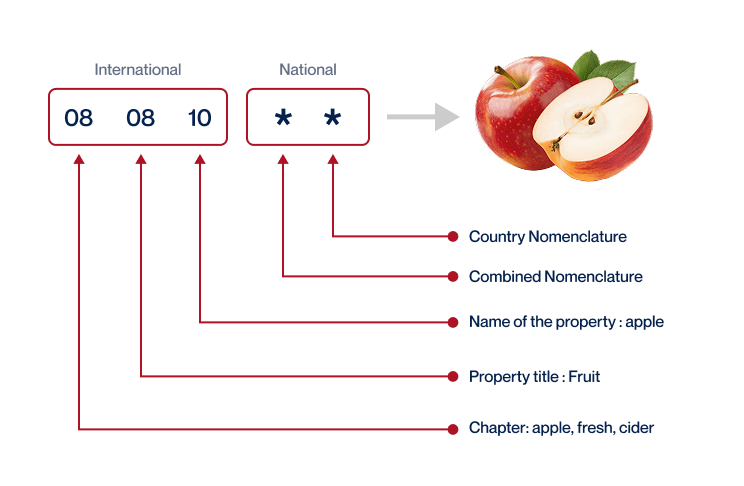
Your HS code classification determines your duty rate, tax treatment, and whether import restrictions apply. One incorrect digit can trigger a reassessment, a penalty, or a physical inspection. You can begin with the Canadian Customs Tariff, available through the CBSA website or the Canada Border Services Agency tariff schedule. Search by product description, review chapter and section notes, and cross-reference with the CPTPP tariff schedule to confirm whether your specific code benefits from preferential treatment.
If your HS code is wrong, you risk either overpaying duties or underpaying and facing reassessment. If you are unsure, we provide tariff classification assistance before your shipment departs Thailand.
Step 3 – Calculate the Customs Value
CBSA normally applies the transaction value method as the customs valuation basis, aligned with WTO Customs Valuation Agreement rules. In practical terms, you start with the price shown on your commercial invoice, then adjust according to the Incoterm and any additional costs that must be included.
Example: Goods purchased for 3,000 USD under FOB terms + 500 USD freight + 75 USD insurance = CIF customs value of 3,575 USD. CBSA will convert this to CAD at the Bank of Canada rate on the date of import. |
If you provide tooling, pay royalties, or supply assists not shown on the invoice, these must be added. Inconsistencies between your customs value, packing list, and transport documents are one of the most common triggers for a CBSA inspection.
Step 4 – Figure out the applicable Import Tariff in Canada
The import tariff in Canada is the percentage of duty applied to your customs value based on your HS code and declared origin. To find the applicable rate:
- Access the CBSA Customs Tariff or the Canada Tariff Finder tool online.
- Enter your HS code.
- Check the duty rate applicable to Thailand — either the CPTPP preferential rate or the standard MFN rate.
- Compare both rates and confirm whether you hold valid CPTPP proof of origin.
Example: Customs value 3,575 USD × 6% duty rate = 214.50 USD customs duty. CBSA will calculate in CAD equivalent. |
Step 5 – Consider other Import Duties and Taxes in Canada
After customs duty, you calculate GST (Goods and Services Tax), which applies at 5% federally on most commercial imports. HST may apply depending on the province of import. GST is calculated on the customs value plus duty plus any applicable fees.
Example: (3,575 USD customs value + 214.50 USD duty) × 5% GST = 189.48 USD federal GST payable. |
Additional considerations:
- Confirm your Canadian Business Number (BN) and importer account registration with CBSA.
- Verify whether your goods are subject to excise tax (tobacco, alcohol, cannabis, certain carbon-based fuels).
- Check if SIMA (Special Import Measures Act) anti-dumping or countervailing duties apply to your product category.
- Validate all supporting documents before filing your B3 Canada Customs Coding Form.
Step 6 – Calculate the Customs Duties
The basic formula:
Duty = customs value × duty rate GST/HST = (customs value + duty + other fees) × tax rate |
Duties and GST are normally settled at the time of the CBSA entry, either directly or through your customs broker. Once payment is confirmed or a security bond accepted, CBSA issues the release of goods. Delays most commonly occur when documents do not match, when the HS code is disputed, when CPTPP origin claims cannot be substantiated, or when CBSA selects your shipment for a detailed examination.
Does DocShipper charge customs fees?
DocShipper acts as a customs broker in both Thailand and Canada, but we do not collect the customs duties themselves — those amounts go directly to CBSA and the Canadian government. What we invoice is the customs clearance service: preparing and filing the B3 entry, coordinating with CBSA, and ensuring compliance throughout. We provide you with a transparent customs invoice so you always know exactly what you are paying and to whom.
Contact Details for Customs Authorities
Thailand Customs

Official name: Thai Customs Department
Official website: http://www.customs.go.th/(http://www.customs.go.th/)
Canada Customs

Official name: Canada Border Services Agency (CBSA)
Official website: www.cbsa-asfc.gc.ca
Required Documents for Customs Clearance in Canada
When you import from Thailand into Canada, customs delays almost never originate at the border itself — they come from inconsistent paperwork. Your commercial invoice, transport document, packing list, and CBSA entry must align line by line. Here is the checklist we use with every client on this route.
Commercial Invoice: The foundational document showing what you are purchasing and at what price. CBSA uses it to calculate duties, GST, and verify the declared customs value. Must include seller and buyer details, Incoterm, currency, unit price, total value, and a clear product description linked to your HS code. Common mistake: declaring a value that does not match payment terms or omitting freight and insurance when CIF valuation applies.
Bill of Lading or Air Waybill: Transport document issued by the carrier confirming the goods were shipped. CBSA and your broker use it to verify routing, consignee details, and transport mode. Common mistake: consignee name not matching the registered importer account in Canada.
Packing List: Details how your goods are physically packed — carton count, pallet count, net and gross weight, dimensions. CBSA compares it against your commercial invoice during risk assessment. Common mistake: weight discrepancies between the packing list and the transport document.
B3 Canada Customs Coding Form and Importer Business Number: The B3 is the primary CBSA import entry document. You must have a valid Business Number (BN) with an import/export program account to import into Canada. Without it, CBSA will not release your goods. Common mistake: attempting to import under an incorrect or unregistered BN.
CPTPP Proof of Origin: If you claim preferential duty rates under the CPTPP, you need a valid proof of origin. Unlike some FTAs, the CPTPP allows importers to self-certify origin based on their knowledge of the goods. Common mistake: claiming CPTPP rates without verifying that the goods genuinely meet the applicable rules of origin.
Product Compliance Documentation: If your goods fall under Canadian product safety regulations (Health Canada, Transport Canada, CFIA), you must provide compliance documentation before release. Common mistake: shipping regulated goods — such as food products, electronics, or children’s toys — without required Canadian safety certifications.
Step-by-step: how customs clearance usually works on this route
The following sequence shows how CBSA customs clearance typically unfolds for goods arriving from Thailand.
- Before departure, collect the commercial invoice, packing list, and confirm your HS code classification in Thailand.
- Verify CPTPP origin eligibility and prepare proof of origin documentation if you intend to claim preferential rates.
- Arrange pre-arrival filing in Canada where possible — CBSA’s Pre-Arrival Review System (PARS) allows release before the carrier arrives at the border.
- Upon arrival, lodge the B3 import entry through your licensed Canadian customs broker.
- CBSA conducts an automated risk assessment, which may trigger a document review or a detailed examination (exam).
- If selected for examination, provide additional supporting documents: proof of origin, valuation evidence, or product certificates. This is the critical moment where document gaps translate directly into cost.
- Once duties and GST are paid or a release bond accepted, CBSA issues the release order.
- Your cargo is delivered to your warehouse, distribution center, or Amazon FBA facility in Canada.
If you plan correctly, clearance on this route is routine. If documents are inconsistent or CPTPP claims cannot be substantiated, delays and storage charges accumulate quickly. Treat customs compliance as part of your sourcing strategy, not as a last-minute step.
Get Started with Siam Shipping
Prohibited and Restricted Items When Importing into Canada
Before you ship from Thailand, clearly separate two categories. Restricted means your goods are permitted entry but only under specific conditions. Prohibited means the goods cannot enter Canada at all and may be seized or destroyed upon arrival.
Restricted products
- Food and agricultural products: require CFIA inspection, phytosanitary certificates, and in some cases import permits.
- Animal products and meat: CFIA approval, health certificates, and import permits required.
- Plants and wooden packaging: subject to ISPM 15 phytosanitary treatment requirements.
- Electronics and consumer goods: must meet Industry Canada (ISED) and CSA safety standards.
- Health products and medical devices: Health Canada authorization and establishment licence required.
- Cosmetics and personal care products: must comply with Canadian Cosmetic Regulations and ingredient restrictions.
- Chemicals and controlled substances: subject to CEPA (Canadian Environmental Protection Act) registration or notification.
- Dual-use and controlled goods: export control review required depending on technical specifications and end use.
Prohibited products
- Counterfeit goods and IP-infringing products.
- Illegal narcotics and psychotropic substances.
- Endangered species products without CITES authorization.
- Certain weapons, firearms, and prohibited devices without RCMP or Transport Canada authorization.
- Hate propaganda and obscene materials under Canadian law.
- Goods manufactured with forced labour (subject to CBSA review under Canadian customs legislation).
Trade Agreements and Preferential Duties for Imports from Thailand to Canada
Canada and Thailand are both members of the CPTPP (Comprehensive and Progressive Agreement for Trans-Pacific Partnership), which Canada implemented in 2018. This agreement provides meaningful preferential duty rates for a wide range of products originating in Thailand when imported into Canada.
This has a direct practical consequence for your landed cost. If your goods genuinely originate in Thailand and you hold valid proof of origin, you may benefit from reduced or zero tariffs under the CPTPP schedule rather than the standard MFN rates.
Preferential treatment under the CPTPP is not automatic. You must verify that your specific HS code is covered by the CPTPP tariff schedule at the applicable staging category, that your goods meet the applicable rules of origin, and that your supplier can provide the necessary origin documentation. If proof of origin is missing or origin criteria are not genuinely met, CBSA will apply standard MFN duties, and a post-entry audit may result in retroactive assessments.
You should also check whether your product is subject to any Canadian trade remedy measures, such as SIMA anti-dumping or countervailing duties on specific categories. These can apply regardless of CPTPP coverage and significantly affect your margin.
The first thing we always tell importers on this route: verify the HS classification and the applicable CPTPP rate before confirming your purchase contract in Thailand. Your margin depends on it. |
Your First Steps with Siam Shipping
If you want clarity on how to calculate import duties from Thailand to Canada and build your landed cost correctly, start before the goods leave the factory. We review your HS code classification, valuation basis, CPTPP eligibility, and document set so you avoid preventable issues with CBSA.
Whether you need a licensed customs broker in Canada, support with CPTPP proof of origin, or full coordination of the end-to-end clearance process from Thailand, we align transport and compliance from day one. Reach out and you will know exactly where you stand before your cargo reaches the Canadian border.
Your first steps with Siam Shipping
Additional logistics services
Warehousing
Finding the right warehousing solution can seem like navigating a labyrinth. One wrong turn - like insufficient temperature control - and your cargo could be compromised. Goods like Thai fruits or Canadian pharmaceuticals need specific conditions to stay intact. Overcome these challenges with our tailored approach to storage. Ready to delve deeper? More info on our dedicated page: Warehousing.
Packing
Shipping from Thailand to Canada necessitates precise packaging. Without professional handling, delicate items could break, while the wrong materials may lead to customs hold-ups. Trustworthy agents, as exemplified by Siam Shipping, excel in catering for an array of products - whether it's a ceramic vase or a wooden chest. For peace of mind and products in perfect condition, visit our dedicated page: Freight Packaging.
Transport Insurance
Distinct from fire insurance, cargo insurance covers the voyage from start to finish, not merely on-premise damages. While fire insurance protects your assets mostly on location, cargo insurance extends the coverage to losses during transportation. Imagine your batch of Thai silk scarves, caught in an unexpected storm on their way to Canada; if ruined, cargo insurance's got you covered.
Household goods shipping
Moving valuable personal effects from Thailand to Canada can feel like a delicate juggling act. We take the nerves out of the equation by professionally packing and shipping your fragile or oversized items with utmost care, providing flexibility every step of the way. Been there, done that – like when we transported Mr. Lee's antique Thai furniture set unscathed!
Procurement in Thailand
Smoothing your global supply chain, DocShipper bridges language gaps while managing the intricacies of finding and procuring from reliable suppliers in Asia, East Europe, and beyond. Think envisioning a product, but burdened by international manufacturing complexities? We're here to guide and deliver. Transcend borders with us and tap into our sourcing wisdom. More info on our dedicated page: Sourcing services
Quality Control
When shipping goods from Thailand to Canada, ensuring quality can't be overstated. Picture sending off a consignment of handcrafted bamboo furniture, only to have customers complain about uneven finishes. Too late! That's where our quality control steps in, scrutinizing and resolving such issues before shipping.
Conformité des produits aux normes
Ensuring your goods meet prescribed regulatory norms could be the difference between a seamless transaction and a logistical nightmare. Our Product Compliance Services not only ensure compliance, but go a step further, conducting thorough lab tests for certification. For instance, your organic tea shipment might need specific health certifications, and we make sure you have them.
Frequently Asked Questions
Transit time depends on where your cargo starts, which Canadian coast you’re targeting, and whether you accept transshipment.
For sea freight, most shipments leave from Laem Chabang near Bangkok.
- Laem Chabang to Vancouver, fastest services: around 25 to 30 days port to port
- Laem Chabang to Toronto or Montreal via Vancouver rail: usually 35 to 45 days door to door
- Via US West Coast with cross-border rail: timing can be similar but customs coordination becomes more sensitive
For air freight, Bangkok to Toronto or Vancouver typically takes 3 to 7 days airport to airport. Door delivery adds 1 to 3 days depending on customs clearance and final-mile distance.
What most guides don’t tell you is this: the ocean transit is rarely the real delay. The wait for vessel space, port congestion, rail capacity in Canada, and documentation accuracy usually add more variability than the sailing itself. If you’re planning inventory for a launch or seasonal sales, build in a safety buffer of at least one extra week.
Canada does not currently have a free trade agreement in force with Thailand. Negotiations have been discussed, but as of 2026 there is no implemented bilateral FTA reducing general tariffs between the two countries.
That means your duty rate depends entirely on your HS code under Canada’s Customs Tariff schedule.
- Industrial machinery and components can often fall in the 0 to 8 percent range
- Textiles, garments, and footwear are commonly higher
- Food, cosmetics, and regulated goods may require permits in addition to duties
On top of customs duties, you’ll also pay GST, and possibly provincial taxes depending on your import structure.
This is where many first-time importers get surprised. The freight cost is visible. The landed cost is not. Before confirming production with your Thai supplier, we strongly recommend validating the HS classification and calculating total landed cost, not just ocean freight plus a rough duty estimate.
For most shipments, yes. Vancouver is the primary gateway for Southeast Asia into Canada.
Direct or one-stop services from Thailand typically discharge on the West Coast. From there, cargo moves by rail to Toronto, Montreal, or Calgary.
However, "best" depends on your priorities:
- If your final customer is in British Columbia or Alberta, Vancouver entry is logical and cost-efficient
- If your distribution center is in Ontario or Quebec, inland rail timing and rail capacity become critical
- If West Coast congestion increases, routing via US ports and moving inland under bond can sometimes be a strategic alternative
We’ve seen importers focus only on ocean freight price and ignore inland rail costs and dwell time. On this route, rail scheduling and container availability in Canada can influence delivery more than the sea leg itself.
Rates fluctuate depending on season, fuel costs, equipment imbalance, and capacity between Southeast Asia and North America.
As a broad 2026 market indication:
- 20ft FCL containers from Thailand to Vancouver often fall in the low to mid four-figure USD range
- 40ft containers are typically proportionally higher but offer better cost per cubic meter
- LCL pricing depends heavily on volume and consolidation schedules
But here’s what really impacts your invoice:
- Peak season surcharges before Q4
- Rail fuel and inland haulage adjustments in Canada
- Destination THC and port handling fees
- Customs brokerage and inspection risk
If you only compare base ocean rates, you’re not comparing real offers. Always review a full door-to-door quotation to avoid underestimating your total landed cost.
This decision is not just about speed. It’s about cash flow and risk tolerance.
Choose air freight if:
- Your cargo is high value and low volume
- You’re testing a new product and want minimal inventory exposure
- You cannot afford 35 to 45 days of transit plus customs time
Choose sea freight if:
- You’re shipping more than 2 to 3 cubic meters regularly
- Your margins depend on freight cost control
- You’re planning stock in advance rather than reacting to sales
Many growing businesses use a hybrid model. Sea freight for bulk replenishment, air freight for urgent restocks. If you’ve ever had inventory stuck mid-Pacific while customers wait, you already understand why balancing both modes can stabilize your supply chain.
On this route, delays are rarely random. They usually trace back to one of these issues:
- Incorrect HS classification leading to re-assessment or inspection
- Missing or inconsistent commercial invoices
- No clear Incoterm agreement with the Thai supplier
- Underestimating Canadian rail transit after Vancouver arrival
- Booking too late during peak season
We’ve seen containers arrive on schedule in Vancouver and still miss retail deadlines because inland delivery was not coordinated early enough.
If this is your first shipment, focus on documentation accuracy and landed cost visibility. If you’re already importing, focus on forecast alignment and rail capacity planning. Those two factors usually determine whether this trade lane feels predictable or stressful.