The High Cube Difference
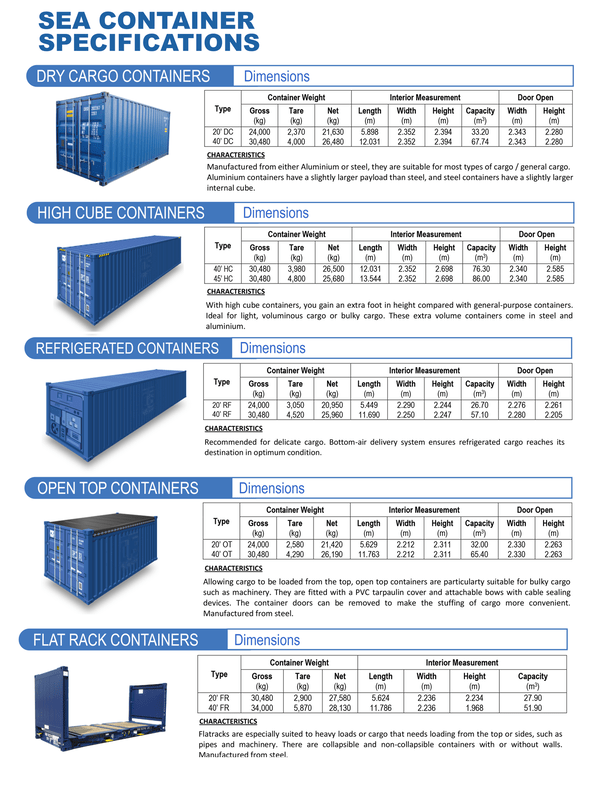
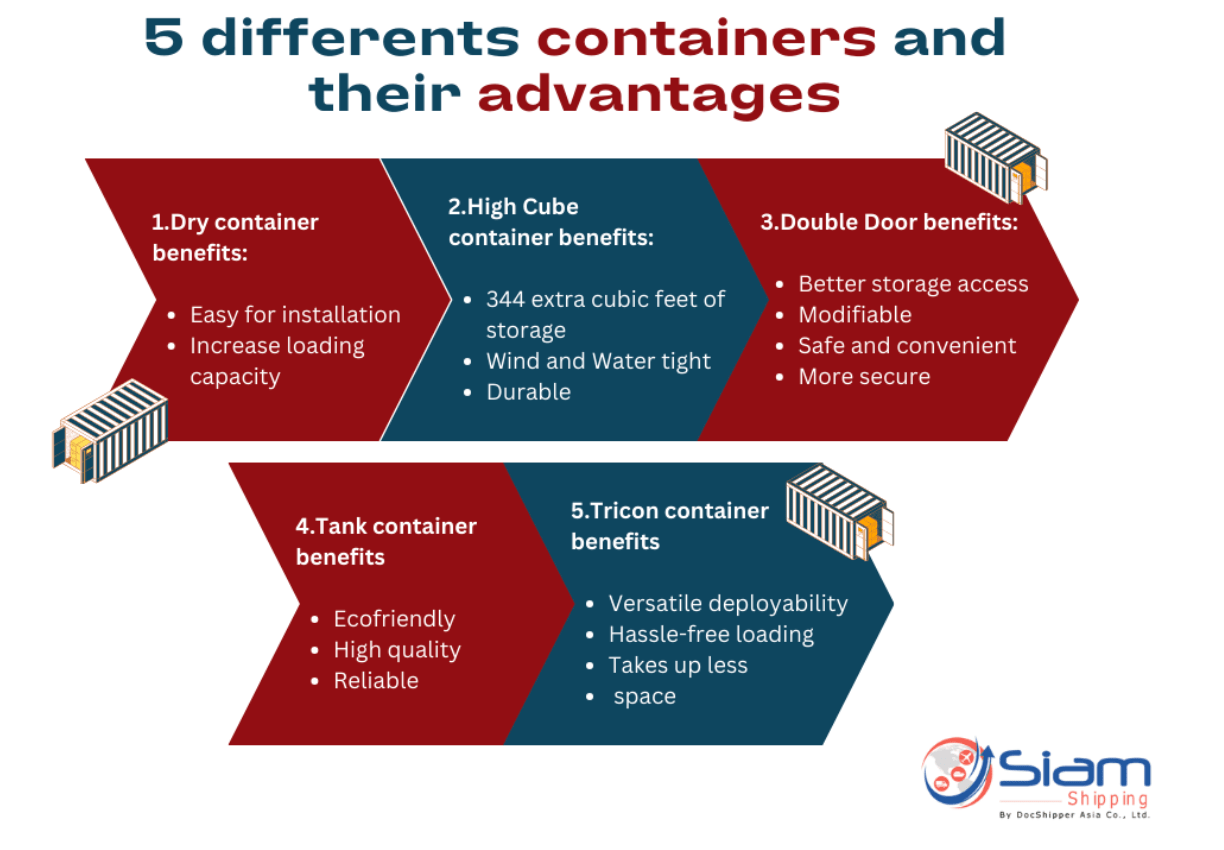
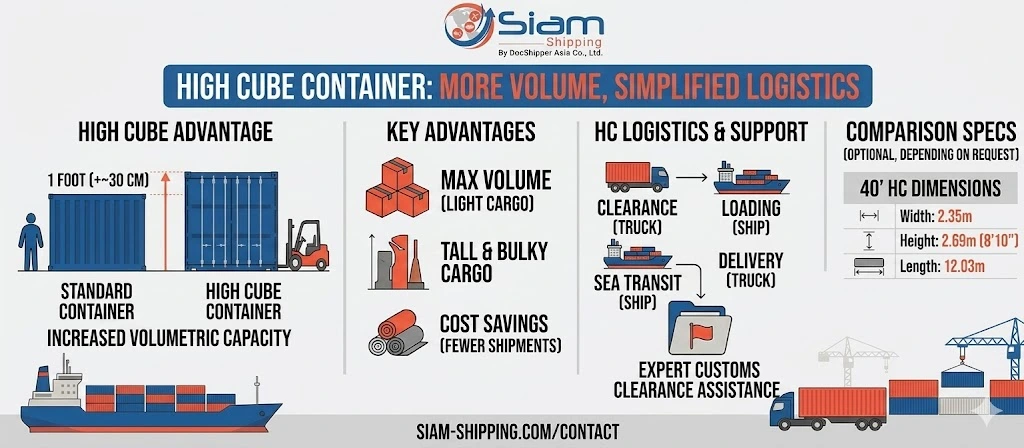
High cube shipping containers are not your standard storage solutions – they are extraordinary for their ability to withstand harsh climates and their additional internal vertical space. These containers are one foot taller than the standard ones, offering a ceiling height of about 9.5 feet compared to 8.5 feet.
The extra headroom can mean the difference between utilizing a space efficiently and having to compromise on storage volume. But what makes them truly special is their potential for diverse applications, be it for businesses seeking cost-effective storage or for homeowners looking to innovate their living spaces.
Benefits for Small Businesses
Extra Storage Capacity That Can Grow With You
High cube containers mean additional cubic feet of storage without increasing your footprint. Small businesses and startup owners often find conventional storage spaces – many of which are rented at premiums – restrictive, lacking the room for expansion. High cube containers resolve this issue, offering not just more space, but a solution that can easily adapt to the growing needs of your enterprise.
A Cost-Effective Storage Solution

Purchasing or leasing commercial space for storage can be one of the highest overheads for a small business. High cube shipping containers provide a cost-effective alternative. Not only are they affordable to buy and modify according to your requirements, but they also eliminate ongoing rental costs, which can quickly amount to savings that can be reinvested into the business.
Suppose you’ve been considering whether to invest in a high cube shipping container. In that case, this detailed guide created by OZBOX – one of Australia’s leading shipping container suppliers
LCL: Less than Container Load (for lower cost)
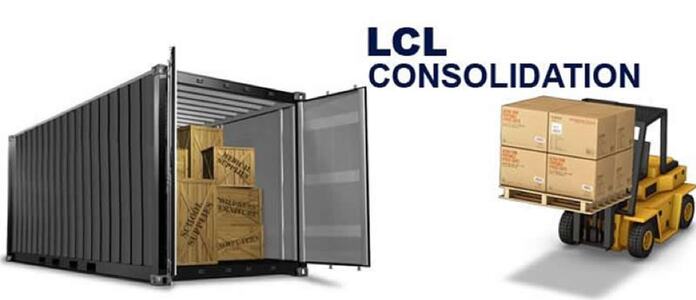
Definition: LCL, or Less than Container Load, refers to a method of shipping where your goods share container space with others. It’s essentially a freight consolidation service.
When to Use: An LCL shipment is your best bet when your cargo is less than 13/14/15 cubic meters (CBM). This practice offers price flexibility and is ideal for low-volume shipments that don’t fill an entire container.
Example: Imagine you are exporting handcrafted Thailand goods to UK and your volume is 10 CBM. Instead of paying for a full container that remains empty, you consolidate your goods into a shared container (LCL freight), reducing the shipping costs.
Cost Implications: The primary cost advantage of LCL shipping is you only pay for the volume your goods occupy, not the entire container. However, additional costs can be incurred for the handling and management of consignments, including deconsolidation at the destination. It’s best to request an LCL shipping quote from your freight forwarder for an accurate estimate.
FCL: Full Container Load (most storage solution)
 FCL shipping, or Full Container Load shipping, is when an entire 20’ft or 40’ft container is utilized by a single shipper for their shipment. FCL offers a sense of security as the container remains sealed from collection at origin to delivery at destination.
Opt for FCL when your cargo volume exceeds 13/14/15 CBM. It’s economical for large volumes, as you pay a flat rate for the entire container rather than per cubic meter. For example, if you’re exporting furniture from Thailand to UK (it’s an example), and your cargo fills up more than half a 40’ft container, FCL would be cost-effective and safer.
Cost implications vary based on factors like the type of goods, insurance, and charges at the ports. However, an FCL shipping quote normally comes cheaper than LCL for larger volumes. It reduces the cost per unit and offers an economical solution for high-volume shipments. Remember, the more space your goods need, the more you save with FCL.
Unmatched Versatility in Applications
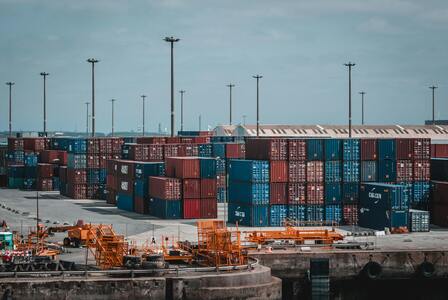
From on-site storage to mobile pop-up shops, the versatility of high cube containers knows no bounds. Businesses can convert them into refrigerated storage units for perishable goods or equip them with shelving systems for organised inventory management. With the right modifications, they serve as compact, yet highly effective retail spaces, taking your products to events, markets, and more.
Considerations before Purchasing
Assessing Your Size Needs
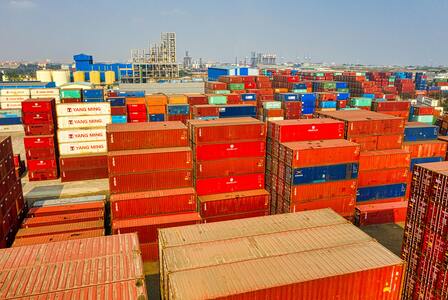
One of the first decisions you’ll face before purchasing a high cube container is determining the right size. These containers typically come in lengths of 20 and 40 feet, each with the extra height a high cube affords. Consider the space available on your property and the volume of items you need to store or transport. It can also be helpful to envision the internal layout to ensure practicality.
Budgeting for Your Container Investment
High cube containers vary in price, influenced by factors such as size, condition, and any additional features they may already come equipped with, like insulation or shelving. Calculate the total investment including container cost, delivery charges, and any modifications you plan to make. Remember, while the initial cost might seem substantial, it’s often a one-time investment that pays dividends over time.
Enhance efficiency, cut costs, and gain 24/7 visibility 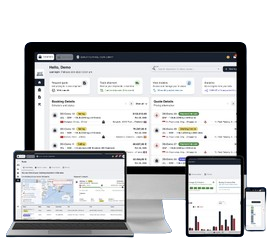 over your entire supply chain.
- Cut your shipping costs and maximize your margins
- Manage sourcing, freight, & customs on one platform
- Get real-time tracking and analytics
Inspecting and Selecting a Quality Container
When it comes to storage and shelter, the structural integrity of the shipping container is non-negotiable. Inspect potential containers for signs of corrosion, leaks, or damage. Pay particular attention to the container’s flooring, which should be sturdy enough to withstand heavy loads. A reputable seller should provide a warranty or guarantee of the container’s condition.
Case Studies
Small Business Success Stories

Numerous small businesses have found their match in a high cube shipping container. A boutique furniture store in a beach town replaced its traditional showroom with a container space that doubles as a coastal-inspired storefront. An expanding online retailer equipped a series of high cubes to serve as distribution units that are dispersed regionally, reducing the costs of lengthy and repeated shipping.
Homeowners Taking Design into Their Hands
a small, efficient retirement home for an adventurous couple, to a modern ‘tiny house’ for an artist or writer, the possibilities for homeowners are as vast as their imaginations. One couple transformed a container into a mini oasis, complete with a luscious rooftop garden, while another created an open-concept, light-filled living space perfect for the minimalist.
Conclusion
High cube shipping containers are not just metal boxes; they represent a solution that can shape space – physical and metaphysical – to meet your needs, your way. For small businesses, they offer scalability without spiralling costs. For homeowners, they offer security without compromising style. Before you take the plunge, carefully consider your needs, do the math, and explore the incredible potential these containers hold. It’ll be a purchase that echoes your vision, not just for today, but for the future.


Fill the Form
Prefer email? Send us your inquiry, and we’ll get back to you as soon as possible.
Contact Us